Learning how to greet someone in Italian and mastering everyday expressions can open the door to richer cultural experiences and smoother conversations.

Whether you’re planning a trip to Italy or simply want to connect with Italian speakers, knowing these basics makes a world of difference. From casual hellos to polite farewells, these phrases carry warmth and authenticity that go beyond just words.
Plus, understanding the nuances of Italian greetings can help you avoid common social pitfalls. If you’ve ever wondered how to sound more natural and confident when speaking Italian, you’re in the right place.
Let’s dive in and explore these essential Italian greetings and daily expressions in detail!
Getting Comfortable with Everyday Italian Greetings
Casual Openers That Feel Natural
When you first start speaking Italian, the simplest greetings often feel like your best friends. Phrases like “Ciao” or “Salve” are incredibly versatile and can be used almost anywhere.
From chatting with a barista in Rome to bumping into someone on the street, these greetings carry a friendly and approachable vibe. I remember my first trip to Florence, where a simple “Ciao” sparked spontaneous conversations with locals, instantly breaking down barriers.
It’s amazing how a small word can make you feel welcomed and part of the moment. Plus, these casual openers don’t require you to be overly formal, which is great when you want to keep things light and easygoing.
Polite Expressions for Formal Settings
In more formal situations, like business meetings or when meeting someone older, Italians tend to use greetings like “Buongiorno” (Good morning) or “Buonasera” (Good evening).
These phrases convey respect and set a positive tone right from the start. From my experience, using these polite greetings can make a huge difference in how you’re perceived.
For example, addressing a shop owner with a warm “Buongiorno” often earns you a smile and a bit more time and attention. It’s a subtle way to show that you understand and respect Italian social norms.
Just keep in mind the time of day, as “Buongiorno” is typically used until the afternoon, while “Buonasera” kicks in later.
Understanding Regional Variations in Greetings
Italy’s rich regional diversity also affects how people greet each other. In the north, you might hear “Salve” more often, while down south, people might prefer “Ciao” or even dialect-specific greetings.
When I visited Naples, locals greeted me with a lively “Ciao, come stai?” (Hi, how are you?), which instantly felt warm and inviting. Knowing these subtle differences can help you connect more genuinely with locals and avoid sounding like a tourist who only knows textbook Italian.
It’s a fun part of the language learning journey to pick up on these nuances and use them appropriately.
Mastering Farewells and Leaving a Positive Impression
Simple Goodbyes That Work Everywhere
Saying goodbye in Italian is just as important as the initial greeting, and often, it’s your last chance to leave a good impression. The word “Arrivederci” is the classic, polite way to say goodbye, but in casual settings, “Ciao” again doubles as both hello and goodbye, which can be a bit confusing at first.
I found that using “Ciao” among friends or peers feels natural and relaxed, while “Arrivederci” suits more formal interactions or when you want to show extra politeness.
It’s like the difference between waving off a friend and nodding respectfully to a colleague.
Expressing Good Wishes When Parting
Italians often add warm wishes when saying goodbye, like “Buona giornata” (Have a good day) or “Buona serata” (Have a good evening). These expressions make the farewell feel more personal and caring.
When I started incorporating these into my conversations, I noticed people responded more warmly, which made me feel more connected and appreciated. It’s a small gesture, but it carries a lot of heart and shows genuine interest in the other person’s well-being.
Using Non-Verbal Cues to Enhance Farewells
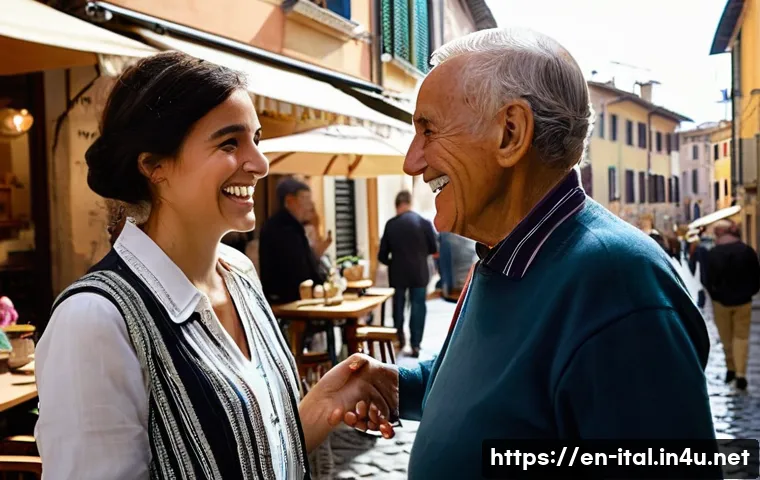
Body language plays a big role in Italian farewells. A smile, a slight nod, or even a friendly handshake or cheek kiss (in more familiar settings) can accompany your words and add warmth.
I recall a moment in Venice when a shop owner gave me a cheerful “Arrivederci” along with a quick cheek kiss on the hand, which felt incredibly welcoming and authentic.
Paying attention to these non-verbal cues can help you blend in better and show respect for Italian customs.
Essential Phrases for Daily Conversations Beyond Greetings
Asking Simple Questions to Keep the Chat Going
Once you’ve nailed the greetings, being able to ask common questions like “Come stai?” (How are you?) or “Che cosa fai?” (What are you doing?) is super useful.
These expressions open the door to more meaningful interactions and show that you’re interested in the other person’s life. I found that locals really appreciate when foreigners attempt these questions, even if the pronunciation isn’t perfect.
It creates a friendly atmosphere and often leads to longer, more engaging conversations.
Polite Responses That Show Your Listening Skills
Responding appropriately is just as important. Phrases like “Bene, grazie” (Good, thank you) or “Non c’è male” (Not bad) help keep the dialogue flowing naturally.
From personal experience, when I replied with these polite phrases, Italians often smiled and added their own updates, making the exchange feel balanced and respectful.
It’s a small detail that can make a big difference in how conversational partners perceive you.
Expressing Gratitude and Courtesy
Saying “Grazie” (Thank you) and “Prego” (You’re welcome) is fundamental in Italian culture. I quickly learned that Italians say these words frequently and with genuine warmth, so missing out on these little courtesies can come off as rude.
Whether you’re ordering coffee or asking for directions, using these expressions sincerely helps you build positive rapport and shows that you value the interaction.
Common Italian Expressions to Sound More Fluent and Engaged
Using Fillers and Small Talk Phrases
Italian conversations often include fillers like “Allora” (So), “Dai” (Come on), or “Beh” (Well) that make speech sound natural and fluid. When I started peppering my sentences with these words, I noticed my Italian sounded less robotic and more like a native speaker’s.
These expressions are great for bridging thoughts, showing hesitation, or encouraging the other person to continue talking, which helps conversations flow smoothly.
Expressing Emotions and Reactions
Knowing how to say things like “Che bello!” (How nice!) or “Mi dispiace” (I’m sorry) allows you to react genuinely during conversations. I remember a time when I expressed surprise with “Davvero?” (Really?) and it sparked laughter and a lively chat.
These phrases make your interactions more dynamic and show empathy, which is highly valued in Italian culture.
Using Polite Requests and Suggestions
Phrases like “Per favore” (Please) and “Potresti…” (Could you…) are essential when asking for help or making suggestions. From ordering food to asking for directions, using these polite forms has helped me avoid misunderstandings and made locals more willing to assist.
It’s a simple way to convey respect and consideration, which Italians appreciate deeply.
Key Italian Greetings and Expressions at a Glance
| Expression | Meaning | Usage Context | Formality Level |
|---|---|---|---|
| Ciao | Hello / Goodbye | Casual greetings among friends and peers | Informal |
| Buongiorno | Good morning | Morning greetings, formal or polite settings | Formal/Polite |
| Buonasera | Good evening | Evening greetings, formal or polite settings | Formal/Polite |
| Arrivederci | Goodbye | Formal or polite farewells | Formal/Polite |
| Come stai? | How are you? | Casual inquiry about wellbeing | Informal |
| Grazie | Thank you | Expressing gratitude | Universal |
| Prego | You’re welcome | Responding to thanks | Universal |
Tips for Practicing and Remembering Italian Greetings
Making It a Daily Habit
One of the best ways to get comfortable with Italian greetings is to practice them daily, even if it’s just talking to yourself in the mirror or using language apps.
I found that repeating phrases out loud helped me remember the rhythm and pronunciation better than silently reading. Plus, practicing daily keeps the language fresh in your mind, so you’re ready to use it whenever an opportunity arises.
Incorporating Greetings into Real-Life Situations
Whenever I traveled around Italy, I tried to greet everyone—from shopkeepers to waiters—using the appropriate phrases. This real-life practice helped me learn the social context behind each expression.
Even if my Italian was imperfect, locals appreciated the effort and often corrected me gently, which boosted my confidence. It’s much more effective than memorizing phrases without using them.
Using Media and Social Interactions as Learning Tools
Watching Italian movies, listening to music, or joining language exchange groups can expose you to how native speakers use greetings naturally. I remember binge-watching Italian TV shows to catch different ways of saying hello and goodbye, which made the expressions stick better.
Plus, chatting with native speakers online or in person gives you instant feedback and helps you adjust your tone and formality level appropriately.
Recognizing Common Mistakes and How to Avoid Them
Overusing Formality in Casual Settings
A common trap for beginners is using overly formal greetings like “Buongiorno” in casual situations where “Ciao” fits better. I made this mistake early on, and it sometimes made conversations feel stiff or awkward.
The key is to observe your surroundings and match the tone accordingly. Italians appreciate authenticity, so sounding too formal among friends can come off as distant.
Mispronouncing Key Phrases
Pronunciation can make or break how your greetings are received. For instance, stressing the wrong syllable in “Buongiorno” or “Arrivederci” might confuse listeners or make you sound less confident.
I found that listening closely to native speakers and mimicking their intonation helped me improve significantly. Don’t be afraid to ask for corrections—it’s part of the learning process.
Ignoring Non-Verbal Communication
Failing to match your words with appropriate body language can lead to misunderstandings. For example, a greeting without eye contact or a smile might feel cold or insincere.
I learned that combining verbal greetings with friendly gestures made my interactions more genuine and enjoyable for both sides. Italians are warm people, and your non-verbal cues should reflect that warmth too.
Wrapping Up
Mastering Italian greetings is a wonderful first step toward connecting with locals and embracing the culture. Whether casual or formal, using the right phrases helps you build rapport and feel more confident. Remember, the little touches—like warm wishes and body language—make all the difference. Keep practicing, and you’ll find yourself enjoying richer, more authentic conversations in Italian.
Useful Tips to Remember
1. Practice Italian greetings daily to improve pronunciation and confidence, even if just by speaking aloud to yourself.
2. Use greetings in real-life situations to understand their social context and receive helpful corrections from native speakers.
3. Incorporate Italian media like movies and music to hear natural usage and pick up common expressions.
4. Pay attention to regional variations to connect better with locals and avoid sounding like a textbook learner.
5. Balance verbal greetings with friendly body language such as smiles or nods to show warmth and respect.
Key Takeaways for Effective Italian Greetings
Understanding when and how to use formal versus casual greetings is essential to sounding natural and respectful. Pronunciation matters, so listening and mimicking native speakers will boost your confidence. Non-verbal cues like eye contact and gestures are just as important to convey sincerity. Avoid overusing formal expressions in casual settings to prevent awkwardness. Most importantly, genuine effort and warmth in your interactions go a long way in making meaningful connections.
Frequently Asked Questions (FAQ) 📖
Q: What are some common Italian greetings I should know for everyday conversations?
A: When starting a conversation in Italian, simple greetings like “Ciao” (hi/bye), “Buongiorno” (good morning), and “Buonasera” (good evening) are essential.
“Ciao” is casual and perfect among friends or younger people, while “Buongiorno” and “Buonasera” are more polite and suitable for formal or unfamiliar settings.
Knowing when to use these can instantly make you sound more natural and respectful.
Q: How can I sound more natural and confident when greeting someone in Italian?
A: Confidence comes from practice and understanding the context. For example, Italians often accompany greetings with a warm smile or a slight nod, which adds authenticity.
Also, try to match the formality of your greeting to the situation—using “Lei” forms for strangers or elders and “tu” with friends. I found that mimicking the rhythm and intonation I heard in real conversations helped me avoid sounding robotic and made my greetings feel more genuine.
Q: Are there any cultural tips I should keep in mind when using Italian greetings?
A: Absolutely! Italians value warmth and personal connection. It’s common to greet people with a handshake or even a cheek kiss among close acquaintances.
Also, avoid jumping straight into business without a proper greeting—it’s considered rude. Taking a moment to exchange pleasantries shows respect and openness, which Italians really appreciate.
I learned firsthand that skipping this step made interactions feel cold, so investing time in greetings pays off big time.