Lately, there’s been a vibrant resurgence in the global appreciation for Italian culture, especially in music and art. Whether you’re streaming operatic masterpieces or exploring Renaissance paintings, understanding key Italian terms can transform your experience from casual enjoyment to deep cultural immersion.
I’ve found that knowing these words not only enriches your appreciation but also connects you to the stories and emotions behind each masterpiece. If you’ve ever felt intrigued but a bit lost in translation, this guide will unlock the language that breathes life into Italy’s artistic heritage.
Let’s dive into the essential Italian music and art vocabulary that every enthusiast should know to truly savor the beauty and history woven into these timeless creations.
Unveiling the Heart of Italian Musical Expression
The Emotional Power Behind Dynamic Directions
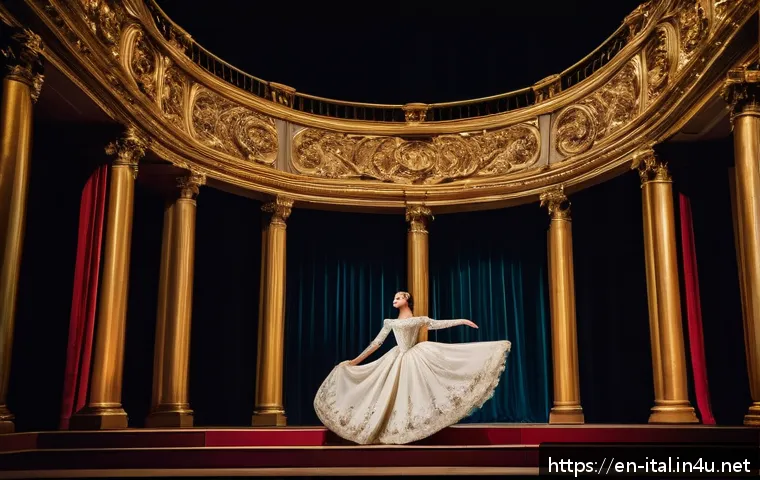
When you listen to Italian operas or classical pieces, you’ll often encounter terms like “forte” and “piano.” These aren’t just fancy words; they’re the composer’s way of telling musicians how loudly or softly to play, shaping the emotional landscape of a piece.
I remember attending a live performance where the subtle shift from “mezzo-forte” to “pianissimo” completely changed the mood, pulling me into the story unfolding on stage.
It’s fascinating how such precise instructions guide performers to convey passion, tension, or serenity, making the music come alive in a way that’s felt deeply rather than just heard.
Tempo Terms: The Pulse of the Composition
Tempo markings like “allegro” or “adagio” dictate the speed of a piece, and understanding these Italian words can transform your listening experience.
For example, “allegro” signals a lively, upbeat pace, often sparking feelings of joy or excitement, while “adagio” slows things down, inviting reflection and calm.
I’ve noticed that when I know these cues, I’m more attuned to the nuances of the performance, catching the artist’s intentions more clearly. It’s like having a backstage pass to the emotional rhythm of the music.
Expressive Articulations: The Language of Nuance
Italian terms like “legato” and “staccato” describe how notes are played—whether smoothly connected or sharply detached. These subtle articulations add texture and personality to a piece, making it more vivid.
In a recent piano recital I attended, the pianist’s skillful use of “legato” passages created a flowing, dreamlike atmosphere, while “staccato” sections brought crisp energy and excitement.
Knowing these terms helps you appreciate the artist’s technique and the emotional colors they paint within the music.
Discovering the Layers of Renaissance Art Vocabulary
Understanding Artistic Techniques Through Language
Terms like “fresco” and “chiaroscuro” are more than just art jargon—they’re keys to unlocking how masterpieces were created and what makes them visually stunning.
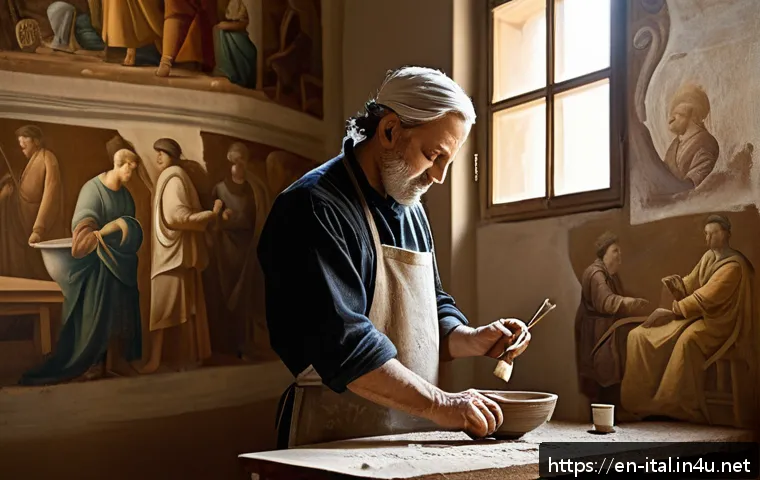
“Fresco,” for instance, refers to the technique of painting on wet plaster, which gives Renaissance murals their unique vibrancy and durability. “Chiaroscuro” involves the use of light and shadow to add depth and drama to a painting.
The first time I learned about chiaroscuro while standing in front of a Caravaggio, I was blown away by how this technique made the figures leap off the canvas, almost as if they were alive.
The Language of Composition and Perspective
Italian art terms like “sfumato” and “contrapposto” describe essential compositional elements. “Sfumato,” famously used by Leonardo da Vinci, means softly blending colors or tones to create a smoky effect, which adds realism and subtlety to the subject’s features.
“Contrapposto” refers to a naturalistic pose where a figure stands with weight shifted to one leg, giving a sense of movement and life. Recognizing these terms changes how you view the artwork; it’s no longer just a pretty picture but a carefully crafted story told through form and technique.
Materials and Mediums: The Tools of Mastery
Knowing terms like “tempera” and “gilding” reveals the painstaking processes behind many Italian artworks. “Tempera” is a fast-drying paint made from pigment mixed with egg yolk, used before oil paints became popular.
It produces bright, long-lasting colors but requires precision. “Gilding,” the application of thin gold leaf, adds a luxurious shine that signifies importance or divinity in religious art.
When I visited museums and noticed these details, I gained a whole new respect for the artists’ dedication and the cultural significance behind their choices.
Essential Terms for Appreciating Italian Opera
Characterizing Vocal Styles and Roles
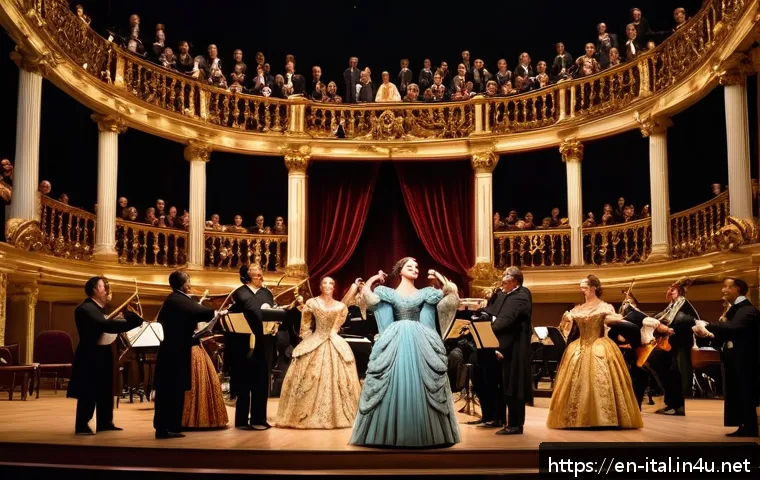
Opera lovers often talk about “tenor,” “soprano,” and “baritone,” which define vocal ranges and help you identify the characters in a story. A “tenor” usually plays the hero with bright, powerful high notes, while a “soprano” often portrays the heroine with soaring melodies.
“Baritone” voices add depth, often cast as villains or complex characters. Knowing these terms made a huge difference for me when watching my first opera live—it was easier to follow the plot and understand the relationships just by recognizing who was singing.
Understanding Opera Structure and Terms
Words like “aria,” “recitative,” and “libretto” are fundamental to grasping opera’s flow. An “aria” is a solo performance that showcases the singer’s emotions and vocal skill, often the highlight of the show.
“Recitative” is the dialogue-like singing that moves the story along, usually less melodic but essential for context. The “libretto” is the opera’s text or script, telling the full narrative.
I found that reading the libretto beforehand helped me stay engaged during the performance, catching nuances that might otherwise slip by.
The Role of Italian in Opera’s Global Appeal
Even if you don’t speak Italian, many operatic terms are universal because Italian was the language of opera’s birth. This shared vocabulary connects audiences worldwide, creating a common ground for appreciation.
Personally, learning just a handful of these terms made me feel part of a global community of music lovers, deepening my connection to the art form beyond language barriers.
Visual Storytelling: Language Behind Italy’s Iconic Sculptures
Capturing Movement and Emotion in Stone
Italian sculpture terms such as “contrapposto” and “basso rilievo” help explain how artists created lifelike figures full of emotion and motion. “Contrapposto,” as mentioned earlier, refers to a natural stance that suggests movement, while “basso rilievo” means low relief, a technique where sculpted elements barely stand out from the background.
When I first saw Michelangelo’s David, understanding contrapposto made me appreciate how this static marble figure seems ready to spring into action.
Tools and Techniques Behind Sculptural Masterpieces
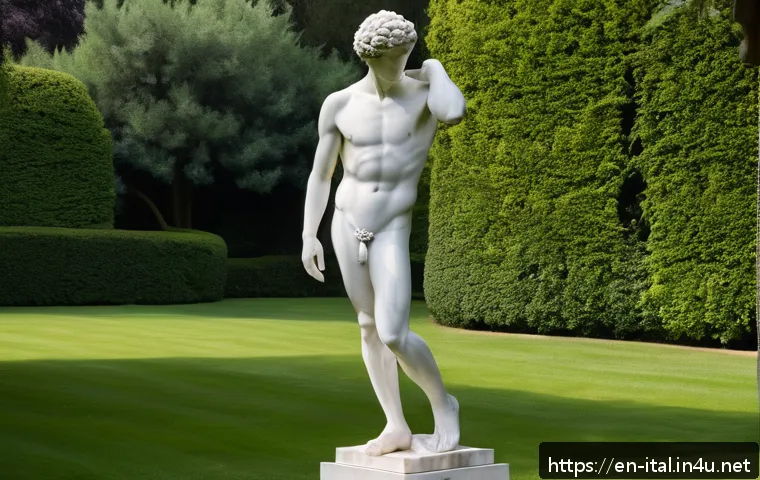
Words like “carving,” “modeling,” and “casting” describe the steps and materials sculptors use. “Carving” involves chiseling away from a solid block of marble or wood, while “modeling” shapes pliable materials like clay.
“Casting” uses molds to create bronze sculptures. Knowing these terms helped me grasp the immense effort and craftsmanship behind each piece, turning casual viewing into a learning adventure.
The Symbolism Embedded in Sculptural Forms
Many Italian sculptures are rich with symbolic meaning, and terms like “iconography” point to the study of these symbols. For instance, a laurel wreath might symbolize victory, while a broken sword could signify peace.
When I explored sculpture gardens in Florence, understanding iconography allowed me to interpret stories and messages that aren’t immediately obvious, making the experience far more immersive.
Mastering the Vocabulary of Italian Art Movements
From Baroque Drama to Neoclassical Elegance
Italian art history is full of distinctive styles, each with unique characteristics described by specific vocabulary. The “Baroque” period, for example, is known for its dramatic use of light, intense emotion, and ornate details.
“Neoclassicism” brought a return to simplicity, order, and inspiration from ancient Greece and Rome. Learning these terms helped me identify the mood and context of artworks quickly, enriching my museum visits significantly.
Key Terms Defining Artistic Techniques Across Eras
Words like “impasto” and “sfumato” describe painting techniques that evolved over time. “Impasto” involves thickly layering paint to add texture, popular in later periods, while “sfumato” creates soft transitions between colors, characteristic of the Renaissance.
Understanding such terms gave me a window into the artist’s creative process and the visual effects they aimed to achieve, making each painting’s story more vivid.
Recognizing the Influence of Italian Art Globally
Italian art vocabulary isn’t just for Italy; it’s influenced countless global art movements. Terms like “Renaissance” and “Mannerism” appear in art history worldwide, reflecting Italy’s pivotal role.
I’ve found that knowing these terms helps me connect the dots when exploring art in different countries, seeing how Italian innovations sparked new directions and styles across continents.
| Italian Term | Meaning | Context | Why It Matters |
|---|---|---|---|
| Fresco | Painting on wet plaster | Renaissance murals | Creates vibrant, durable wall art |
| Chiaroscuro | Contrast of light and shadow | Painting technique | Adds depth and drama |
| Legato | Smooth, connected notes | Music articulation | Creates flowing melodies |
| Contrapposto | Naturalistic pose with weight shift | Sculpture and painting | Suggests movement and life |
| Aria | Solo vocal piece | Opera | Showcases emotion and skill |
| Sfumato | Soft blending of colors | Painting technique | Adds realism and subtlety |
| Baritone | Mid-range male voice | Opera roles | Defines character types |
| Impasto | Thick paint application | Painting technique | Creates texture and dimension |
How Italian Terms Deepen Your Cultural Connection
Bridging Language and Emotion
The beauty of Italian music and art isn’t just in the surface aesthetics but in the emotional stories they tell. Knowing the language behind these works brings you closer to the artist’s intent and the cultural context.
For me, learning these terms turned passive viewing into active engagement, making every encounter with Italian art a personal journey.
Enhancing Travel and Museum Experiences
When visiting Italy or museums with Italian collections, understanding key terms can transform your experience. Instead of feeling like a tourist scanning labels, you become an informed observer, able to appreciate the nuances and history embedded in each piece.
This deeper comprehension often led me to strike up conversations with guides or locals, enriching my travels beyond the usual.
Building a Lifelong Appreciation
Mastering these Italian terms is not just about knowledge but about cultivating a lifelong passion. Whether you’re streaming a Puccini opera at home or admiring Botticelli’s works in a gallery, the language serves as a bridge to richer, more meaningful encounters.
It’s a skill that grows with you, continually opening new doors to the vibrant world of Italian culture.
Conclusion
Exploring Italian terms in music, art, and opera opens a vibrant window into the culture’s rich emotional and creative heritage. Understanding this language deepens appreciation and transforms passive observation into meaningful engagement. Whether you’re a casual listener, museum visitor, or avid traveler, these insights enrich every encounter with Italian artistry.
Helpful Information to Remember
1. Learning Italian musical terms enhances your ability to feel and interpret the emotional nuances in performances, making listening more immersive and rewarding.
2. Familiarity with Renaissance art vocabulary gives you a better grasp of the techniques and symbolism that define masterpieces, adding layers to your viewing experience.
3. Recognizing opera-specific terms like “aria” and “libretto” helps you follow the storyline and vocal character dynamics, even if you don’t speak Italian fluently.
4. Understanding sculpture terminology allows you to appreciate the craftsmanship and storytelling embedded in Italy’s iconic three-dimensional art.
5. Knowing key art movement vocabulary connects you to Italy’s global influence on artistic styles, enriching your knowledge of art history worldwide.
Key Takeaways
Mastering Italian artistic and musical vocabulary is not just about language but about connecting emotionally and intellectually with the works. It empowers you to engage actively with culture, enhances travel and museum visits, and fosters a lifelong appreciation that grows richer with each new experience. Embracing these terms transforms how you see, hear, and feel Italian art and music, making your journey truly unforgettable.
Frequently Asked Questions (FAQ) 📖
Q: Why is learning Italian terms important when enjoying Italian music and art?
A: Knowing Italian terms opens up a whole new level of appreciation. Italian music and art are deeply tied to their language and culture. When you understand words like “forte,” “allegro,” or “sfumato,” you’re not just hearing or seeing the work—you’re feeling the artist’s intentions and emotions.
It transforms your experience from surface-level enjoyment to genuine cultural immersion, making every note or brushstroke more meaningful.
Q: What are some essential Italian words to know for beginners interested in opera and Renaissance art?
A: For opera lovers, words like “aria” (a solo vocal piece), “libretto” (the text or script), and “crescendo” (gradually getting louder) are key. For Renaissance art, terms like “fresco” (wall painting technique), “chiaroscuro” (the use of light and shadow), and “perspective” (creating depth) help you understand the techniques and styles that define the era.
Learning these basics gives you a richer context when exploring masterpieces.
Q: How can I practice and remember these Italian terms effectively?
A: I’ve found that combining listening and visual experiences works best. Try watching operas or art documentaries with Italian subtitles, or follow along with a glossary while exploring galleries online or in person.
Using flashcards or language apps focused on art and music vocabulary also helps. The key is to connect the words with the emotions or visuals they represent—that way, they stick naturally rather than feeling like a chore.