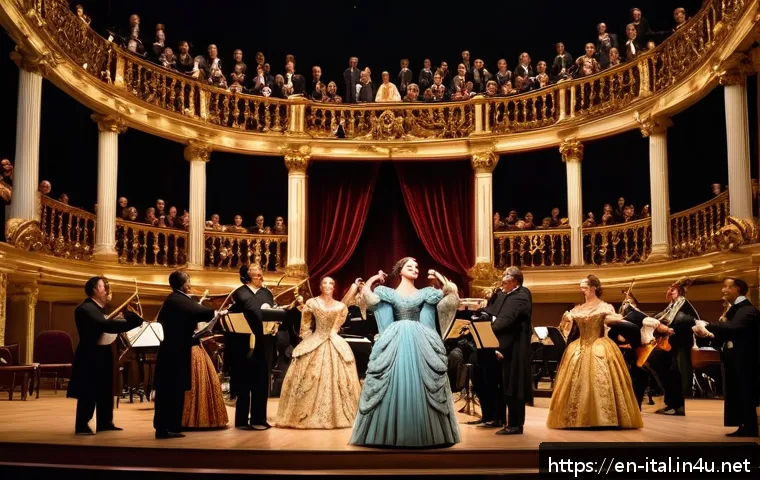
For most Rome and Vatican City visitors, Italian is the better first language to learn. Choose Ecclesiastical Latin when your real goal is following liturgy more closely, reading Church texts, studying sacred music, or working with historical material.

Italian helps with transport, cafés, hotels, shops, and everyday questions around Vatican City, while Latin has a specialized religious and academic role.
A short Italian course, Rome-focused language program, or private tutor can be a practical choice when you want more confidence during a trip. Latin lessons are most worthwhile when they match a clear reading, pronunciation, or Catholic-study objective.
The best investment depends less on the destination itself and more on what you plan to do there.
At a Glance
- Learn Italian first for travel, daily communication, and independent navigation in Rome.
- Learn Ecclesiastical Latin for Catholic liturgy, Church documents, inscriptions, sacred music, and historical study.
- Most standard Vatican visits do not require Latin; confirm language expectations directly for a specific event, office, school, or program.
| Decision factor | Italian | Ecclesiastical Latin |
|---|---|---|
| Main purpose | Daily communication, travel, and life in Rome | Liturgy, texts, Catholic heritage, and specialist study |
| Practical use in Rome | Useful for transport, restaurants, shops, and local services | Useful for prayers, inscriptions, and selected religious or academic contexts |
| Best learning format | Travel-focused Italian classes, conversation practice, or private tutoring | Ecclesiastical Latin courses or a tutor familiar with Catholic pronunciation and texts |
| Study commitment | Can deliver practical value quickly when lessons target real travel situations | Usually rewards sustained study when reading and interpretation are the goal |
| Best paid-course fit | Visitors, residents, volunteers, and study-abroad participants | Theology students, musicians, researchers, and committed liturgy learners |
The Short Answer: Italian for Everyday Vatican Visits, Latin for Specialized Study
Italian is the practical choice for most people going to Rome. It is the main language visitors encounter in transport, restaurants, shops, hotels, and everyday services around Vatican City. If you want to ask for directions, understand routine interactions, or feel less dependent on translation tools, Italian gives the clearest return on your study time.
When Italian Is the Clear First Choice
Prioritize Italian if your plans include sightseeing, dining, shopping, using public transport, checking into accommodation, or staying in Rome beyond a very short visit. You do not need to aim for advanced fluency before traveling. A Rome travel language course that focuses on greetings, ordering, directions, timings, and basic problem-solving can be more relevant than a broad grammar-heavy program.
Paid Italian lessons make sense when structure will help you practice speaking consistently or when you want a teacher to correct the situations you expect to face. Look for a course that clearly states whether it emphasizes conversation, travel Italian, or longer-term language development.
When Ecclesiastical Latin Adds Real Value
Ecclesiastical Latin is worth the investment when Latin itself is central to your purpose. That may include reading Church texts, following parts of the Roman Catholic liturgical tradition, understanding canon-law terminology, studying historical archives, or working with sacred music.
“Vatican Latin” is commonly used as a convenient label for Ecclesiastical Latin. It is not a separate modern spoken language for ordinary day-to-day use in Vatican City. Its pronunciation also differs in several respects from reconstructed Classical Latin pronunciation, so the pronunciation tradition matters when choosing a Latin tutor or course.
Why Most Visitors Do Not Need Latin for a Vatican Itinerary
A normal Vatican itinerary does not make Latin a practical requirement. Vatican communications may appear in multiple languages, depending on the document and intended audience, and the language needs of a tour or event can vary. Italian will generally be more useful outside formal liturgical and scholarly settings.
Do not assume that learning Latin provides special access to Vatican archives, ceremonies, restricted spaces, or institutional roles. Language knowledge does not guarantee access. For any particular tour, Mass, program, or office, check directly with the responsible organization.
Italian and Ecclesiastical Latin Compared by Practical Goal
The right choice becomes clearer when you match the language to the moment you expect to use it. Italian handles the practical side of a Rome visit. Ecclesiastical Latin supports a deeper engagement with particular Catholic texts and traditions.
Travel, Hotels, Restaurants, and Local Navigation
Italian is the language to prioritize for everyday travel. It is relevant when reading local signs, asking a shop question, ordering food, speaking to hotel staff, or handling routine transport needs. Even limited travel Italian can make these interactions easier and more direct.
A self-study resource may be enough for a simple trip if you are comfortable practicing alone. A structured Italian class or private tutor can be more useful if speaking confidence is the obstacle. The important point is to practice the situations you will actually face, not only isolated vocabulary lists.
Mass, Prayers, Inscriptions, and Church Documents
Latin has a meaningful role in parts of Catholic liturgy, formal inscriptions, and Holy See documents. For a pilgrim or regular Mass attendee, Latin study can add context to familiar prayers and recurring liturgical language. However, it does not replace Italian for practical communication before and after a service.
If liturgy is your reason for studying, select materials that identify their focus as Ecclesiastical Latin. A program designed around Classical Latin pronunciation may not match your goal of following Catholic worship or sacred music.
Academic Research, Sacred Music, and Religious Education
Latin becomes especially relevant for readers of Church texts, theology, history, canon-law terminology, archives, and sacred music. These goals often require more than memorizing phrases. They may call for grammar, careful reading, vocabulary development, and guidance from a specialist Latin instructor.
For this path, a general language app may be less suitable than a course built around the texts you intend to read. Before booking lessons, ask whether the tutor works with liturgical texts, theological vocabulary, chant-related pronunciation, or historical documents.
Comparison Table: Usefulness, Difficulty, Learning Resources, and Paid-Course Fit
| Goal | Better first choice | Useful resource type | When paid support is worthwhile |
|---|---|---|---|
| Independent Rome travel | Italian | Travel phrase practice and conversation-focused lessons | When you want live speaking practice for common situations |
| Visiting Vatican City as part of a standard trip | Italian | Rome-focused language preparation | When your trip includes an extended stay or you want local confidence |
| Understanding Latin liturgy and prayers | Ecclesiastical Latin | Church-focused reading and pronunciation instruction | When you want guided pronunciation and textual explanation |
| Reading Church or historical texts | Ecclesiastical Latin | Grammar-based Latin course with relevant texts | When you need feedback on translation and interpretation |
| Living, volunteering, or studying in Rome | Italian, then Latin if relevant | Ongoing Italian classes plus specialist Latin study | When each language serves a defined responsibility or course of study |
Is Paying for a Course or Tutor Worth It?
A course is worth paying for when it solves a specific problem: you need speaking practice, a clear sequence of study, pronunciation feedback, or expert help with difficult texts. Paying simply because a course is labeled “Vatican” or “Rome” is less useful than checking whether its content matches your real objective.
Low-Cost Self-Study Versus Structured Italian Classes
Self-study can work well for travelers who need a basic set of practical phrases and are willing to practice regularly. It is flexible and lets you concentrate on the vocabulary you expect to use in restaurants, transport, accommodation, and shops.
A structured Italian class can be a better fit if you need accountability or conversation practice. For Rome travel preparation, compare whether a provider offers role-play, listening practice, practical travel scenarios, and teacher feedback. Choose the course format, not just the course title.
When a Specialist Ecclesiastical Latin Tutor Is a Better Investment
A specialist tutor can be valuable when your Latin goal is narrow and serious: reading a Church document, improving liturgical pronunciation, preparing for religious education, or understanding sacred texts more carefully. In those cases, a general Latin course may cover material that does not serve your immediate purpose.
Ask a potential tutor whether they teach Ecclesiastical pronunciation, reading skills, grammar, or spoken exercises. Latin providers vary widely in their depth of coverage, tutor availability, and pricing, so confirm the current details before committing.

Questions to Ask Before Buying a Language Course or Booking Lessons
- Is the course built for travel communication, text reading, liturgy, or a broader academic goal?
- For Latin, does it use Ecclesiastical or reconstructed Classical pronunciation?
- Will you practice speaking, listening, reading, pronunciation, or translation?
- Does the tutor have experience with Catholic texts, sacred music, or Church terminology if that is your aim?
- Can the lesson format fit your available study time and budget?
Common Learning Mistakes Before a Rome or Vatican Trip
The biggest waste of effort comes from preparing for an imagined language situation rather than the real one. A clear goal prevents you from buying the wrong course or spending too much time on low-priority material.
Treating Latin as the Everyday Language of Vatican City
Latin has an important formal and religious role, but it is not the main language you will rely on for normal visitor interactions in Rome. Italian is the practical everyday language for the settings most travelers encounter.
Choosing Classical Pronunciation When the Goal Is Catholic Liturgy
Latin pronunciation is not a minor detail when your purpose is worship, prayer, or sacred music. Ecclesiastical Latin pronunciation differs in several respects from reconstructed Classical Latin pronunciation. Check the course description before enrolling, especially if the word “Latin” is used without further explanation.
Studying Vocabulary Without Practicing the Situations You Will Actually Face
A traveler may learn a long list of nouns but still struggle to ask a simple question in a hotel or café. A Latin learner may memorize prayers without understanding how the words function in a text. Build practice around your goal: conversation scenarios for Italian, or reading and pronunciation work for Ecclesiastical Latin.
Choose the Right Path for Your Situation
Your best language path does not need to be complicated. Start with the language that will be used most often, then add the second only when it supports a concrete interest or responsibility.
First-Time Rome Visitors
Start with Italian. Focus on common travel interactions and simple listening practice. A Rome-focused Italian class can be a sensible option if you want guided preparation, but Latin is not necessary for a typical Vatican visit.
Catholic Pilgrims and Regular Mass Attendees
Italian remains helpful for the practical side of the trip. Add Ecclesiastical Latin if you want to engage more deeply with prayers, Mass texts, inscriptions, or sacred music. You may not need a full academic course if your interest is limited to selected liturgical material.
Theology, History, and Archival-Text Learners
Ecclesiastical Latin may be the stronger priority when Church documents, historical sources, canon-law terminology, or sacred texts are central to your work. A specialist Latin tutor or text-based course can offer more value than a general travel program. Confirm directly what language preparation is expected for any archive, school, or research setting.
Long-Term Residents, Volunteers, and Study-Abroad Participants
Italian should usually come first because it supports daily life and communication in Rome. Latin can become a worthwhile second subject when it is relevant to your religious community, academic work, music, or institutional setting.
Selection Criteria and Comparison Summary
Choose Italian if communication and travel independence are your priorities. Choose Ecclesiastical Latin if your priority is liturgy, Church texts, scholarship, sacred music, or historical study. Consider both only when each language has a separate and defined purpose.
- What will you need to do in Rome: navigate daily life, attend worship, or read texts?
- Do you need speaking confidence, reading ability, pronunciation guidance, or translation support?
- For Latin, is Ecclesiastical pronunciation essential to your objective?
- Will a self-study plan meet your needs, or do you need feedback from a private tutor?
- Does the course content justify the time and budget you plan to invest?
Before enrolling, compare Italian classes, Ecclesiastical Latin tutors, and Rome-focused language programs by their stated learning outcomes, lesson format, pronunciation approach, and current conditions on the provider’s page.
In Closing
Italian and Ecclesiastical Latin serve different purposes in Rome and Vatican City. Italian gives most visitors the strongest practical benefit, while Latin offers depth for Catholic study, worship, and historical or academic reading. There is no need to study both unless your plans genuinely call for both. Start with the language that solves your nearest, most frequent need.
Useful Things to Know
Italian: best for real-world interactions in Rome.
Ecclesiastical Latin: relevant for Catholic contexts rather than routine visitor communication.
Pronunciation: check whether a Latin course follows Ecclesiastical or reconstructed Classical conventions.
Programs and events: confirm language expectations directly with the organization involved.
Important Notes
Course prices, tutor availability, and the depth of Latin instruction vary widely. Specific Vatican tours, events, offices, schools, and religious programs may have their own language expectations, which should be confirmed directly. Knowing Latin does not guarantee access to restricted archives, ceremonies, or institutional roles.
Frequently Asked Questions
Q1. Do I need to learn Latin before visiting Vatican City?
A1. No. Most visitors will get more practical value from Italian, especially for transport, restaurants, shops, and everyday communication in Rome. Latin is useful if your visit includes a personal interest in liturgy, Church texts, inscriptions, or Catholic history.
Q2. Is Italian or Ecclesiastical Latin more useful for attending Mass in Rome?
A2. Italian is more useful for practical communication around the service and in the city. Ecclesiastical Latin can be more useful for following Latin prayers, liturgical language, and certain parts of the Roman Catholic tradition. The stronger choice depends on whether your goal is daily interaction or deeper textual and liturgical understanding.
Q3. Are paid Italian classes worth it for a short Rome trip?
A3. They can be worthwhile if you want structured speaking practice, travel-specific role-play, and feedback before departure. For a short trip, compare courses that focus on real travel situations rather than broad material that may not be immediately useful.