As the world becomes more connected, understanding the nuances of emotion in different languages offers a fascinating glimpse into diverse cultures. Italian, with its rich history and expressive nature, reveals subtle emotional shades that go beyond simple words.

Recently, language enthusiasts and cultural explorers alike have shown growing interest in how feelings are intricately woven into Italian expressions.
This journey through Italy’s linguistic landscape not only deepens our appreciation for the language but also enriches our emotional intelligence. Join me as we uncover the delicate layers of sentiment that make Italian a truly captivating way to communicate.
Exploring the Layers Behind Italian Expressions of Affection
From “Ti voglio bene” to “Ti amo”: Understanding the Spectrum of Love
Italian offers a delicate range of expressions to convey love, and each phrase carries its own weight and context. “Ti voglio bene” literally translates to “I want good for you,” but it’s used to express deep affection among family and close friends without the romantic intensity.
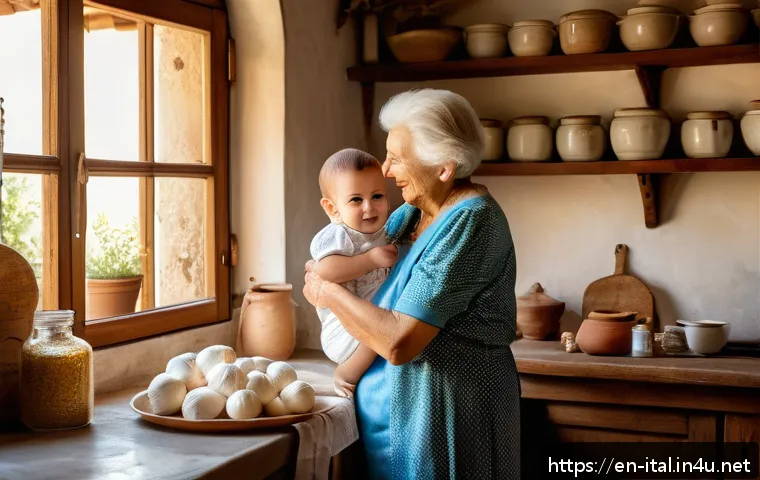
On the other hand, “Ti amo” is reserved exclusively for romantic love, often reserved for significant others. I remember once hearing an Italian grandmother say “Ti voglio bene” to her grandchild with such warmth that it felt like a lifelong promise of care rather than fleeting emotion.
This distinction is vital in understanding how Italians choose their words carefully to match the depth of their feelings.
How Tone and Gesture Amplify Emotional Meaning
Italian is famously expressive not just in words but in tone and body language. The same phrase can convey vastly different emotions depending on how it’s said.
For example, “Che bello” can be a simple compliment or a heartfelt admiration, depending on the intonation. I’ve noticed when Italians speak passionately, their hands often mirror the intensity, making the emotion palpable even before fully understanding the words.
This synergy between verbal and non-verbal cues adds a rich layer to the language, making it almost impossible to separate the two when decoding feelings.
Contextual Nuances That Shape Emotional Interpretation
Context plays a pivotal role in how emotions are conveyed and understood in Italian. Phrases that sound straightforward may carry irony, sarcasm, or deep sincerity depending on the situation.
For instance, “Meno male” translates as “thank goodness,” but can sometimes be used ironically to highlight a less-than-ideal outcome with a hint of humor.
Living in Italy briefly, I quickly learned that mastering these subtleties is essential to truly grasp the emotional undertones in everyday conversations.
How Italian Vocabulary Reflects Emotional Intensity
Words That Capture Passion and Joy
Italian is rich with words that vividly express passion and joy, often with roots in art, music, and history. Words like “entusiasmo” (enthusiasm) and “felicità” (happiness) are frequently used in everyday speech, but their impact is amplified by the speaker’s energy and setting.
I remember attending a lively festival where the word “gioia” (joy) was shouted repeatedly by locals, creating a contagious atmosphere of celebration that transcended language barriers.
Subtle Terms for Sadness and Melancholy
Unlike some languages that have one or two words for sadness, Italian includes a variety of terms that distinguish between types of sorrow. “Tristezza” is the general term for sadness, but “malinconia” (melancholy) carries a poetic sense of wistfulness, often used in literature and music.
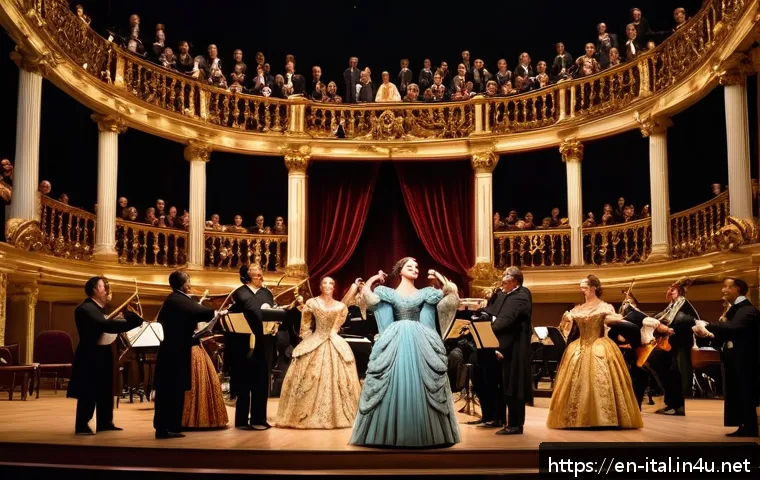
Experiencing Italian opera firsthand, I was struck by how the language beautifully captures the complexity of sorrow, giving a voice to feelings that are often hard to articulate.
Emotional Vocabulary Table: Intensity and Usage
| Emotion | Italian Word | English Equivalent | Typical Context | Emotional Intensity |
|---|---|---|---|---|
| Love (family/friends) | Ti voglio bene | I care for you | Family, close friends | Moderate |
| Romantic Love | Ti amo | I love you | Romantic partners | High |
| Happiness | Gioia | Joy | Celebrations, achievements | High |
| Sadness | Tristezza | Sadness | General sorrow | Moderate |
| Melancholy | Malinconia | Melancholy | Reflective sadness | Subtle |
| Gratitude | Grazie | Thank you | Everyday politeness | Low to Moderate |
The Role of Regional Dialects in Shaping Emotional Expression
Distinct Emotional Flavors Across Italian Regions
Italy’s regional diversity extends deeply into language and emotion. Dialects like Neapolitan, Sicilian, and Venetian each add unique emotional color to everyday conversations.
For example, in Naples, expressions tend to be more flamboyant and passionate, reflecting the city’s vibrant culture, while in Tuscany, the tone might be more reserved but equally sincere.
I once chatted with a friend from Sicily who explained how certain words in his dialect carry more emotional weight than their standard Italian counterparts, often evoking nostalgia or humor.
How Dialects Influence Perception and Connection
When Italians switch between dialect and standard Italian, it’s often a signal of intimacy or social context. Using a local dialect can foster a sense of belonging and shared history, which intensifies emotional bonds.
I noticed that during family gatherings or small community events, people naturally slip into dialect, making conversations feel warmer and more personal.
This linguistic shift is a subtle but powerful way Italians navigate their emotional worlds.
Preserving Emotional Depth in Modern Italian
Despite the dominance of standard Italian through media and education, regional dialects continue to preserve emotional nuances that might otherwise be lost.
There’s a growing movement among younger Italians to revive and cherish these dialects as a way to maintain cultural identity and emotional authenticity.
From what I’ve observed, this trend not only enriches communication but also strengthens emotional resilience within communities.
Nonverbal Cues: The Silent Language of Emotion
The Power of Gestures and Facial Expressions
Italian communication is famously animated, with gestures and facial expressions acting as an emotional amplifier. A simple nod combined with a smile can convey agreement and warmth, while a raised eyebrow might express skepticism or surprise.
I once found myself in a café where a single hand gesture, the “mano a borsa,” expressed frustration more effectively than any words could have. These nonverbal cues are deeply embedded in Italian culture, adding layers of meaning that are as important as the spoken word.
How Physical Proximity Influences Emotional Exchange
Italians tend to stand closer during conversations compared to many other cultures, which fosters a sense of connection and immediacy. This closeness can intensify emotional exchanges, making feelings more palpable.
I recall feeling initially overwhelmed by the physical proximity when I first visited Italy, but soon realized it was a sign of genuine engagement and warmth.

Understanding this can help outsiders appreciate the emotional openness Italians naturally embody.
Eye Contact as an Emotional Bridge
Maintaining eye contact is another vital element in Italian emotional expression. It signals honesty, respect, and emotional involvement. During a heartfelt conversation I had with an Italian friend, the intensity of her gaze made the moment feel profoundly sincere and trustworthy.
This cultural emphasis on eye contact reinforces the language’s emotional richness by ensuring that feelings are not just spoken but also visibly shared.
Expressing Emotion Through Italian Music and Poetry
How Lyrics Capture Complex Emotional States
Italian music, from opera to contemporary pop, is a treasure trove of emotional expression. Lyrics often explore themes of love, loss, hope, and joy with poetic finesse.
I vividly remember listening to an old Neapolitan song where every word seemed drenched in longing, perfectly capturing a universal feeling of yearning.
This artistic use of language offers an immersive way to experience Italian emotions beyond casual conversation.
The Emotional Impact of Italian Poetry
Poets like Dante and Leopardi have shaped the Italian emotional lexicon with their masterful use of language. Their work often delves into existential themes, weaving emotions with philosophical reflection.
Reading their verses, I was struck by how emotions are not just expressed but explored deeply, inviting readers to feel alongside the poet. This tradition continues to influence how Italians articulate their inner worlds today.
Modern Interpretations and Emotional Evolution
Contemporary Italian artists blend traditional emotional motifs with modern sensibilities, creating fresh ways to express feelings. From heartfelt ballads to energetic rap, the evolving music scene mirrors changes in societal attitudes toward emotion.
I’ve noticed that younger Italians are more open about vulnerability in their art, which adds new dimensions to the language’s emotional repertoire and connects with global audiences on a personal level.
How Emotional Intelligence Grows Through Learning Italian
Developing Sensitivity to Nuance and Context
Learning Italian forces you to tune into subtle emotional cues and the importance of context. Unlike languages with more straightforward emotional vocabulary, Italian encourages learners to explore shades of meaning and cultural significance.
From my experience teaching Italian, students often report that this deepens their overall emotional awareness, not just in language but in interpersonal relationships too.
Building Empathy Through Cultural Immersion
Engaging with Italian culture—whether through conversation, media, or travel—helps learners develop empathy by experiencing emotions from an insider’s perspective.
I recall a student who shared how living in Rome for a few months transformed her understanding of passion and warmth in daily interactions. This immersion fosters a connection that transcends words, enriching emotional intelligence profoundly.
Practical Tips for Enhancing Emotional Expression in Italian
To truly capture Italian emotional nuance, practice active listening and observe nonverbal signals closely. Try mimicking intonation patterns and gestures to internalize feelings behind words.
Engaging with Italian music and poetry can also provide context and deepen emotional vocabulary. From my personal journey, blending formal study with real-life practice creates the richest emotional learning experience.
In Conclusion
Exploring Italian expressions of affection reveals a rich tapestry of emotional depth woven through language, tone, and culture. Understanding these nuances not only enhances communication but also offers a glimpse into the Italian way of connecting heart-to-heart. Whether through words, gestures, or regional dialects, Italian emotion is vibrant, layered, and profoundly human.
Useful Information to Remember
1. Italian distinguishes between familial affection and romantic love with phrases like “Ti voglio bene” and “Ti amo,” each carrying unique emotional weight.
2. Tone and body language are essential in conveying true feelings in Italian, often amplifying or altering the meaning of words.
3. Regional dialects add rich emotional flavors and foster intimacy, playing a vital role in personal and cultural identity.
4. Nonverbal cues such as gestures, eye contact, and physical proximity are integral parts of Italian emotional expression.
5. Immersing yourself in Italian music, poetry, and culture deepens emotional understanding and enriches language learning.
Key Takeaways
Italian emotional expression is a complex interplay of words, tone, gestures, and cultural context. Recognizing the subtle distinctions between phrases and embracing nonverbal communication enhances both understanding and connection. Regional dialects preserve unique emotional nuances that standard Italian may not fully capture, while cultural immersion fosters empathy and emotional intelligence. Ultimately, learning Italian offers more than language skills—it opens a window into the vibrant emotional world of Italy.
Frequently Asked Questions (FAQ) 📖
Q: How does the Italian language uniquely express emotions compared to other languages?
A: Italian stands out for its melodic and expressive qualities, which naturally lend themselves to conveying emotion with nuance. Unlike more straightforward languages, Italian often uses poetic phrases, intonation, and body language alongside words to communicate feelings deeply.
For example, a simple phrase like “Mi manchi” (I miss you) carries warmth and longing that can feel more heartfelt due to the language’s rhythm and cultural context.
From my experience, Italians often pair words with gestures and tone that add layers of meaning, making emotional expression richer and more vivid.
Q: Can learning emotional expressions in Italian improve my cultural understanding?
A: Absolutely. Emotions are a window into culture, and Italian emotional expressions reflect the country’s values, history, and social norms. When you grasp how Italians express joy, frustration, or affection, you get a glimpse of their passionate and relational way of life.
Personally, I found that understanding phrases tied to family, love, or even frustration helped me connect more authentically with locals and appreciate their cultural mindset beyond stereotypes.
So, diving into emotional language is a fantastic way to boost both your linguistic skills and cultural empathy.
Q: What are some common Italian expressions that reveal subtle emotional nuances?
A: Italian is full of expressions that reveal subtle feelings often missed in literal translation. For instance, “Che peccato!” translates to “What a pity!” but can carry anything from mild disappointment to genuine sympathy depending on context and tone.
Another example is “Sono felice per te,” meaning “I’m happy for you,” which Italians might say with sincere enthusiasm or polite formality. From my own conversations, I noticed that paying attention to how these phrases are delivered—softly, loudly, with a smile—helps decode the true emotion behind the words.
This blend of language and feeling is what makes Italian so captivating to explore.