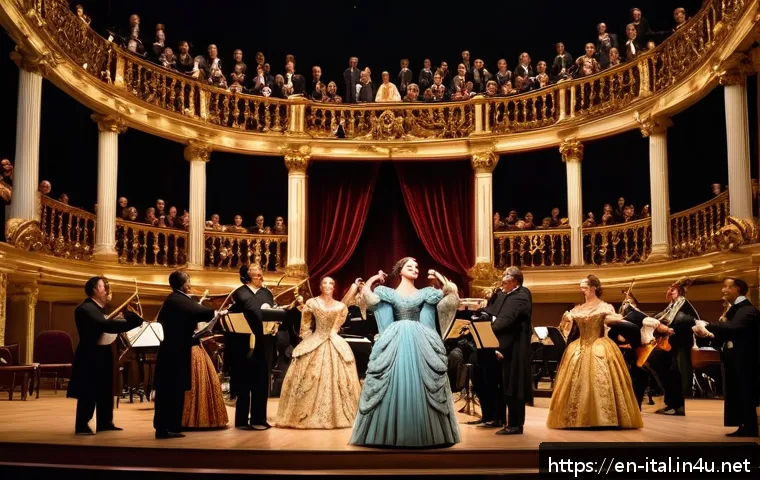
Opera has always been a powerful medium where music and storytelling intertwine to stir deep emotions. Recently, there’s been a renewed interest in Italian opera, especially as younger audiences seek to connect with its timeless passion and drama.
Understanding the iconic phrases within these lyrics opens up a whole new world—one filled with heartfelt expression and cultural richness. Whether you’re a longtime fan or just curious, diving into these musical gems offers a fresh perspective on why Italian opera continues to captivate hearts worldwide.
Let’s embark on this journey together and unlock the true passion behind those unforgettable melodies.
The Emotional Language of Italian Opera
How Lyrics Convey Deep Feelings
Italian opera lyrics are not just words set to music; they are emotional declarations that resonate deeply with listeners. When you hear a soprano’s soaring notes accompanied by passionate Italian phrases, you’re experiencing a profound storytelling technique.
The language is rich with vivid metaphors and expressive verbs that bring characters’ joys, sorrows, and desires to life. From longing glances to heart-wrenching farewells, the lyrics encapsulate human emotions in a way that transcends language barriers.
Personally, I find that even without understanding every word, the emotional tone in the phrasing is unmistakable—it’s like the music carries the feeling straight to your soul.
Why Italian is Perfect for Opera
Italian’s natural musicality makes it an ideal language for opera. Its open vowels and rhythmic cadence allow singers to sustain beautiful, flowing melodies effortlessly.
This phonetic quality enhances the emotional impact of the lyrics, making them linger in the listener’s mind long after the performance ends. I’ve attended several operas where the charm of the language alone held the audience captive, even if the plot was complex or unfamiliar.
The way Italian rolls off the tongue feels like a melody in itself, which is why it remains the lingua franca of many classical compositions.
Common Themes in Italian Opera Lyrics
Italian opera often explores universal themes such as love, betrayal, fate, and redemption. These themes are woven into the lyrics with poetic elegance.
For example, many arias express unrequited love or the pain of separation, themes that anyone can relate to regardless of culture. The repetition of heartfelt phrases enhances the emotional intensity and makes these moments unforgettable.
From my own experience, these themes create a timeless connection between the audience and the performers, reminding us all of our shared human experiences.
Unlocking the Meaning Behind Iconic Phrases
Famous Expressions and Their Emotional Weight
Certain Italian phrases in opera have become iconic because of their emotional power. Phrases like “O mio babbino caro” or “Nessun dorma” carry deep meanings beyond their literal translations.
They often express vulnerability, hope, or defiance in the face of adversity. Understanding these phrases adds a layer of appreciation that transforms listening into an immersive experience.
When I learned the backstory and meaning behind these words, I felt more connected to the characters and their struggles.
How Context Shapes Interpretation
The same phrase can take on different meanings depending on the opera’s storyline and character relationships. For instance, a plea for forgiveness might sound tender in one context but desperate in another.
This contextual richness invites audiences to engage actively with the performance, interpreting emotions based on subtle cues in music and acting. My personal tip is to read a brief synopsis before attending an opera; it helps decode these phrases and makes the emotional journey even more impactful.
Using Translations Without Losing Emotion
While translations help non-Italian speakers understand the story, they often miss the lyrical beauty and emotional nuance of the original text. That’s why many opera lovers prefer to experience the music in Italian, using subtitles or librettos to follow along.
I’ve found that even a rough understanding of key phrases enhances the emotional resonance without detracting from the musicality. It’s a delicate balance between grasping meaning and savoring the artistry of the language.
Famous Italian Opera Arias and Their Impact
Timeless Masterpieces That Define the Genre
Arias such as “La donna è mobile” and “Che gelida manina” have become staples in the opera world because of their memorable melodies and poignant lyrics.
These pieces highlight the emotional range Italian opera can capture—from playful cynicism to tender longing. I remember the first time I heard “Nessun dorma” live; the energy in the theater was electric, and the emotional crescendo was overwhelming.
These arias are not just songs; they are emotional experiences that stay with you.
The Role of the Singer in Bringing Lyrics to Life
The interpretation of these arias depends heavily on the singer’s ability to convey the emotional depth of the lyrics. A skilled performer uses vocal dynamics, phrasing, and facial expressions to tell the story behind the words.
From personal observation, the best singers create an intimate connection with the audience, making you feel the character’s pain or joy as if it were your own.
This authenticity is what makes opera performances unforgettable.
Why These Arias Resonate Across Generations
Despite being centuries old, these arias continue to resonate because they touch on timeless emotions and human experiences. Their melodies are often adapted in modern media, keeping them relevant and accessible.
I’ve seen young audiences moved to tears by these classic pieces, proving that the emotional power of Italian opera transcends time and cultural shifts.
This enduring appeal is a testament to the genre’s unique blend of music and storytelling.
The Role of Cultural Heritage in Italian Opera
How Italian History Shapes the Stories
Italian opera is deeply rooted in the country’s rich cultural and historical context. Many operas draw on historical events, myths, or local traditions, giving the lyrics an added layer of meaning.
For example, the political turmoil or social customs of the time often influence the themes and characters. I’ve found that learning about Italy’s history enhances the listening experience, as you start to recognize how the lyrics reflect broader cultural narratives.
Preserving Language and Tradition Through Opera
Opera has played a crucial role in preserving the Italian language and its regional dialects. The lyrical content often showcases poetic forms and vocabulary that might otherwise fade in everyday speech.
From attending live performances and opera festivals, I’ve witnessed a strong commitment to maintaining these linguistic traditions, which adds authenticity and depth to the art form.
This preservation enriches not only the music but also the cultural identity of Italy.
The Global Influence of Italian Opera
Italian opera’s influence extends far beyond Italy’s borders, shaping the development of classical music worldwide. Its lyrical style and dramatic structure have inspired composers and performers globally.
I’ve met opera enthusiasts from various countries who cherish Italian opera as a universal language of emotion and artistry. This international appreciation helps keep the tradition alive and continually evolving.
Exploring the Musicality of Italian Opera Lyrics
The Relationship Between Words and Melody
In Italian opera, the lyrics and melody are inseparable partners. The natural rhythm of the Italian language guides the melodic lines, creating a seamless flow that enhances emotional expression.
From my experience listening closely, you can hear how the music rises and falls with the vowel sounds and syllabic stresses, making the lyrics feel like an organic part of the composition rather than an addition.
How Composers Use Language to Enhance Drama
Composers carefully select words and phrases that lend themselves to musical dramatization. Repetitions, elongated vowels, and rhythmic patterns all contribute to building tension or releasing emotion.
For example, a composer might stretch a single word over several measures to emphasize a character’s desperation or longing. I find this technique incredibly effective, as it makes the listener experience the emotional weight alongside the character.
Techniques for Appreciating the Lyrics as a Listener
To fully appreciate Italian opera lyrics, try following along with a libretto or subtitles while listening. Pay attention to how the music highlights certain words or phrases, and notice the emotional shifts they signal.
Personally, I enjoy pausing to reflect on the meaning before the music moves on, which deepens my connection to the story. Over time, this practice has made opera feel less like a foreign art form and more like a heartfelt conversation.
Comparing Popular Operas and Their Signature Phrases
Distinctive Styles of Renowned Composers
Each opera composer brings a unique style to their lyrical content. Verdi’s operas often feature bold, heroic phrases that match his grand musical gestures, while Puccini’s works tend to focus on intimate, emotional expressions.
Recognizing these stylistic differences enhances your appreciation of how lyrics serve the music’s overall mood. I’ve noticed that knowing the composer’s style helps me anticipate the emotional journey even before the aria begins.
How Signature Phrases Define Characters
Many operas assign specific phrases or motifs to characters, making these lyrics their emotional signatures. For instance, a phrase repeated by a tragic heroine might symbolize her fate or inner turmoil.
When I listen, these repeated phrases act like emotional anchors, helping me follow the character’s development throughout the performance. This technique adds depth to the storytelling and makes each character’s journey more vivid.
Summary of Iconic Phrases and Their Meanings
| Phrase | Opera | Meaning | Emotional Tone |
|---|---|---|---|
| O mio babbino caro | Gianni Schicchi | A daughter’s plea to her father | Affectionate and pleading |
| Nessun dorma | Tosca | “None shall sleep” – a triumphant declaration | Hopeful and powerful |
| La donna è mobile | Rigoletto | Women are fickle | Playful yet cynical |
| Vissi d’arte | Tosca | I lived for art and love | Reflective and sorrowful |
| Che gelida manina | La Bohème | What a cold little hand | Tender and loving |
Engaging Younger Audiences with Italian Opera
Making Opera Accessible Today
Opera can feel intimidating or outdated to younger generations, but connecting through iconic phrases and their meanings makes it more approachable. I’ve noticed that interactive apps and translations that focus on emotional storytelling help demystify the art form.
Sharing personal experiences about how these lyrics moved me also encourages curiosity. When young people see opera as an emotional experience rather than just classical music, they become more open to exploring it.
Using Social Media to Spread Opera’s Charm
Platforms like Instagram and TikTok have become unexpected venues for introducing opera to new audiences. Short videos highlighting memorable phrases and their stories create bite-sized experiences that spark interest.
I’ve come across clips where singers perform famous arias with subtitles, making it easy to follow along. This modern approach breathes new life into Italian opera’s timeless appeal.
Encouraging Live Attendance Through Emotional Connection
Nothing compares to the thrill of experiencing opera live, where the power of lyrics, music, and performance unite. I always recommend attending at least one live show with English supertitles, so the emotional nuances of the Italian lyrics come through clearly.
The immediacy of live opera allows you to feel the passion behind every phrase, making the art form unforgettable and deeply personal.
Conclusion
Italian opera’s emotional language creates a powerful bridge between music and human experience, captivating audiences worldwide. Its lyrical beauty and timeless themes continue to resonate deeply, regardless of language barriers. Experiencing opera live or through recordings reveals the true depth of feeling embedded in every phrase. Whether you’re a longtime fan or new to the genre, Italian opera offers an unforgettable journey into the heart of passion and storytelling.
Helpful Information
1. Familiarizing yourself with common Italian opera phrases enhances your emotional connection and understanding during performances.
2. Reading brief synopses before attending an opera helps decode the meaning behind complex lyrics and scenes.
3. Utilizing subtitles or librettos allows you to follow the story while appreciating the original language’s musicality.
4. Exploring the history and cultural background of Italian opera enriches your appreciation of its themes and characters.
5. Engaging with modern platforms like social media can make opera more accessible and enjoyable for new, younger audiences.
Key Takeaways
Italian opera uniquely combines expressive language with compelling melodies to convey universal emotions. The power of its iconic phrases lies not only in their words but in how they are delivered by skilled performers. Understanding the cultural and historical context deepens the experience, while modern tools help bridge language gaps. Attending live performances with translation support maximizes emotional impact, making opera a vibrant and living art form for all generations.
Frequently Asked Questions (FAQ) 📖
Q: Why is Italian opera still relevant to younger audiences today?
A: Italian opera remains relevant because it taps into universal themes like love, betrayal, and passion that resonate across generations. Younger audiences are drawn to its emotional intensity and dramatic storytelling, which feel timeless and deeply human.
Plus, many productions now incorporate modern staging and technology, making the experience more accessible and visually stunning. From personal experience, attending a contemporary opera performance helped me connect emotionally in ways I didn’t expect, proving its ongoing impact.
Q: What are some iconic Italian opera phrases I should know to better understand the lyrics?
A: Knowing key phrases like “Vissi d’arte” (I lived for art), “Nessun dorma” (None shall sleep), and “La donna è mobile” (Woman is fickle) can significantly enhance your appreciation of the story and emotions conveyed.
These phrases often carry deep meaning tied to character motivations or pivotal moments. When I first learned these expressions, the music suddenly felt more vivid and meaningful, transforming my listening experience into something much richer.
Q: How can I start appreciating Italian opera if I’m new to it?
A: Start by listening to famous arias with translations to grasp the storyline and emotions. Watching live or recorded performances with subtitles also helps.
Don’t hesitate to explore behind-the-scenes stories about the composers and librettos—this context adds layers to what you hear. Personally, I found that attending a live performance with a friend who was a fan made the whole experience more enjoyable and less intimidating, making me eager to learn more about this beautiful art form.