When visiting Italy, you might notice the distinctive way public announcements are made in places like train stations, airports, and museums. These announcements not only guide travelers efficiently but also reflect the rich Italian culture and language.
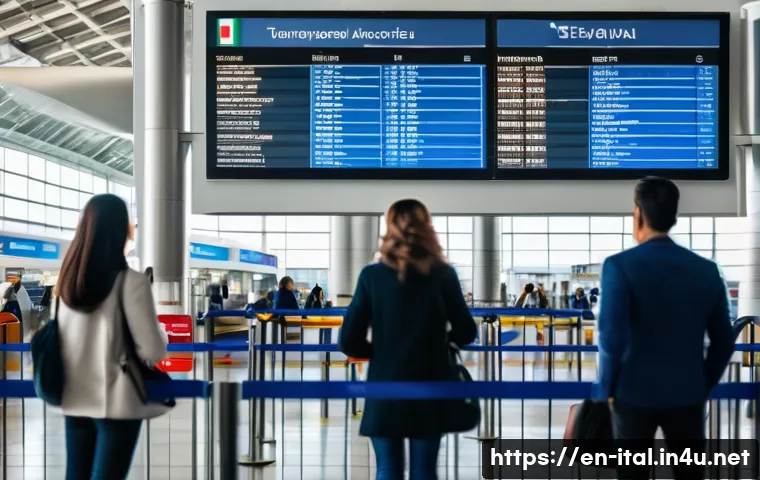
Understanding how these broadcasts work can enhance your travel experience and help you navigate with ease. From the tone and phrasing to the typical information shared, there’s a lot to discover about Italian public announcements.
Let’s dive deeper and uncover what makes these announcements uniquely Italian!
Distinctive Italian Announcement Styles
Warmth in Tone and Delivery
Italian public announcements often carry a warm, inviting tone that instantly sets them apart from the typically sterile or purely functional announcements you might hear elsewhere.
The speakers tend to use a calm yet expressive voice, which somehow makes even routine information feel more personal. I remember arriving at Rome’s Termini station, where the announcements didn’t just relay train times—they almost sounded like a friendly reminder from a local, making me feel more connected to the place.
This warmth is rooted in Italy’s cultural emphasis on hospitality and social interaction, which subtly seeps into even automated voiceovers.
Common Phrases and Politeness
One striking feature is the frequent use of polite forms and formal phrasing, even in automated announcements. You’ll often hear phrases like “Gentili viaggiatori” (Dear travelers) or “Vi preghiamo di prestare attenzione” (We kindly ask you to pay attention).
These expressions add a layer of courtesy that makes the message feel respectful and considerate. From my experience, this approach helps maintain a calm atmosphere, especially during busy or stressful moments like delays or boarding calls.
Unlike blunt commands, the phrasing gently nudges you to follow instructions without sounding pushy.
Melodic Intonation Reflecting the Italian Language
Italian is a language known for its musicality, and this characteristic is reflected in public announcements. The intonation often rises and falls rhythmically, making even simple details like gate numbers or platform changes more engaging to listen to.
When I first heard an announcement at Milan’s Malpensa airport, I was struck by how the melodic quality made the information easier to remember. This natural sing-song pattern helps travelers process announcements more effectively, especially in noisy or crowded environments.
Typical Information Included in Announcements
Key Travel Details
Announcements typically focus on essential information such as departure and arrival times, gate or platform numbers, and any delays or cancellations.
For example, you might hear a clear update about a train leaving from platform 5 or a flight boarding at gate B12. This consistency helps travelers quickly grasp the most relevant data without confusion.
On multiple occasions, I noticed how clear updates reduced anxiety for visitors unfamiliar with the stations or airports.
Safety and Behavioral Reminders
Italian public announcements also emphasize safety and proper behavior, often reminding passengers to mind their belongings, respect silence zones, or avoid blocking doors.
These reminders are tactfully delivered with a tone that blends authority and friendliness, encouraging compliance without sounding authoritarian. I’ve found that these gentle nudges are effective in keeping public spaces orderly, which is especially important in busy hubs like Florence’s train station.
Special Alerts and Localized Information
During holidays, strikes, or local events, announcements may include special notices tailored to current situations. For instance, during a festival in Venice, I heard announcements advising travelers about alternative routes and expected crowding.
This dynamic updating of information shows how Italian public systems adapt to local contexts, providing a richer and more relevant travel experience.
It’s a neat touch that made me feel better prepared and more in tune with the city’s rhythm.
Visual and Auditory Design Elements
Consistent Voice Selection
Italian public announcements often use a limited set of voices that sound clear, neutral, and easy to understand. These voices are chosen carefully to ensure intelligibility across different ages and language backgrounds.
I once read that the voice actors undergo training to maintain consistent pacing and tone, which really shows in the smooth flow of announcements. This consistency helps reduce misunderstandings, which is crucial in places with diverse international visitors.
Background Music and Sound Effects
In some airports and museums, announcements are paired with subtle background music or sound cues to grab attention without causing annoyance. For example, a gentle chime might precede an important message, signaling travelers to listen closely.
Personally, I find these sound effects helpful, as they prepare me to catch the announcement even if I’m distracted. It’s a thoughtful design choice that balances effectiveness with comfort.
Multilingual Accessibility
While Italian is the primary language, announcements often include English and sometimes other languages, especially in major tourist spots. The multilingual approach ensures that international travelers can follow along easily.
From personal experience, hearing a quick switch between Italian and English reassured me that I wasn’t missing crucial info. This practice highlights Italy’s awareness of global tourism and commitment to accessibility.
How Announcements Reflect Italian Culture
Emphasis on Courtesy and Respect
The polite language and measured tone in announcements mirror Italy’s cultural values of respect and courtesy. It’s not just about delivering information efficiently; it’s about doing so with care and consideration for the listener.
I’ve noticed this cultural touchpoint makes the environment feel less mechanical and more human, which is refreshing in today’s fast-paced travel settings.
Connection to Regional Identity
In some regions, announcements might incorporate local dialects or specific references, subtly reinforcing a sense of place. For example, in Sicily, you might hear certain expressions or accents that give a hint of local identity.
While these variations are rare and often limited, they add flavor and authenticity. Experiencing this made me appreciate the diversity within Italy beyond just the language.
Balancing Modernity and Tradition
Italian announcements often strike a balance between using modern technology and maintaining traditional values. Automated voices are paired with formal language and cultural politeness, creating a unique blend.
From what I’ve seen, this balance makes traveling in Italy feel both efficient and warmly familiar, which is a rare and pleasant combination.
Practical Tips for Travelers Navigating Announcements
Pay Attention to Polite Cues
Since announcements use polite and indirect language, it’s important to listen carefully to phrases that signal important actions, like “Vi invitiamo a” (We invite you to) or “È consigliato di” (It is recommended to).
These aren’t just filler words; they cue you to comply with instructions. I learned this the hard way when I almost missed a boarding call because I didn’t catch the polite phrasing.
Use Announcements to Gauge Timing
Announcements often provide real-time updates on delays or changes. Keeping an ear out can help you adjust your schedule promptly. In one trip, an announcement about a delayed train at Florence station helped me avoid waiting on the platform unnecessarily.
It’s a simple habit that can save time and reduce stress.
Combine Announcements with Visual Signs
While announcements are helpful, pairing them with on-site signs and digital boards is key to fully understanding directions. Often, the combination of auditory and visual cues makes navigation smoother.
When I traveled through Venice’s Santa Lucia station, using both announcements and signs helped me find my platform quickly despite the crowds.
Comparison of Italian Announcements with Other Countries
Formality and Politeness Level
Compared to countries like the US or UK, Italian announcements tend to be more formal and polite, avoiding blunt commands in favor of courteous requests.
This difference reflects broader cultural attitudes toward communication and respect. I’ve traveled extensively and found this politeness both refreshing and sometimes challenging when used to more direct styles.
Use of Language Melody
The melodic intonation in Italian announcements contrasts with the more monotone delivery typical in many other countries. This musicality aids memory retention and listener engagement.
When I switched from listening to announcements in Italy to those in Germany, the contrast was striking—German announcements were clear but lacked the warm musical flow.
Multilingual Practices
While many countries offer multilingual announcements, Italy’s approach often emphasizes English alongside Italian, reflecting its high tourist volume.
In comparison, some countries prioritize multiple languages more evenly. This focus on English helps international travelers but may sometimes leave non-English speakers seeking additional support.
| Aspect | Italy | United States | Germany |
|---|---|---|---|
| Tone | Warm, polite, melodic | Direct, practical | Clear, formal |
| Language | Italian primary + English common | English only mostly | German primary + English common |
| Politeness | High, courteous requests | Lower, more direct | Moderate, formal |
| Use of Music/Sounds | Subtle chimes or background music | Minimal sound cues | Occasional sound cues |
| Localization | Regional dialects occasionally | Rare | Rare |
Conclusion
Italian public announcements offer a unique blend of warmth, politeness, and melodic charm that reflects the country’s rich cultural values. They not only provide essential travel information but also create a welcoming atmosphere for travelers. Experiencing these announcements firsthand reveals how Italy balances tradition with modern communication effectively. This thoughtful approach makes navigating Italian transport hubs both easier and more enjoyable.
Useful Information to Remember
1. Italian announcements often use polite and indirect language, so paying close attention to courteous cues can prevent missing important instructions.
2. Real-time updates on delays or changes are common, helping travelers adjust plans promptly and reduce stress during their journey.
3. Combining auditory announcements with visual signs and digital boards enhances understanding, especially in busy or unfamiliar locations.
4. Background sounds like gentle chimes often precede announcements, making it easier to catch messages even when distracted.
5. Multilingual announcements, primarily in Italian and English, support international travelers but staying alert remains key for a smooth experience.
Key Takeaways
Italian public announcements stand out due to their warm and polite tone, melodic intonation, and careful voice selection, all rooted in cultural respect and hospitality. They effectively combine essential travel updates with courteous reminders, creating a less mechanical and more human environment. Travelers benefit from the clear, courteous, and culturally rich communication style that helps ease navigation through busy transport hubs. Understanding these distinctive features can greatly enhance your travel experience in Italy.
Frequently Asked Questions (FAQ) 📖
Q: Why do Italian public announcements sound different compared to those in other countries?
A: Italian public announcements often feature a warm, melodic tone that reflects the expressive nature of the Italian language and culture. Unlike the more robotic or monotone announcements you might hear elsewhere, Italian broadcasts tend to use clear, slightly dramatic intonation and polite phrasing.
This style helps grab attention while conveying information in a way that feels both efficient and welcoming, making travelers feel more connected to the place.
Q: What kind of information can I expect from public announcements in Italian train stations and airports?
A: Typically, announcements provide essential travel details such as arrival and departure times, platform changes, delays, and boarding calls. Additionally, you’ll often hear reminders about ticket validation, safety instructions, and sometimes cultural tips or tourist information.
From my experience, these announcements are concise but informative, helping you stay updated without feeling overwhelmed, which is especially handy when navigating busy stations.
Q: How can understanding Italian public announcements improve my travel experience in Italy?
A: Even if you don’t speak fluent Italian, familiarizing yourself with common phrases and the rhythm of announcements can reduce travel stress significantly.
Recognizing key words like “binario” (platform), “ritardo” (delay), or “imbarco” (boarding) lets you react quickly and avoid confusion. Personally, I found that tuning into these announcements helped me feel more confident and in control, turning what could be a hectic situation into a smooth and enjoyable part of my journey.