Exploring Italian philosophical and political terms opens a fascinating window into a rich cultural heritage that has shaped modern thought. From the Renaissance to contemporary debates, Italy’s unique blend of history, language, and ideas offers profound insights into governance, ethics, and society.
Understanding these terms not only enriches your vocabulary but also deepens your appreciation of Italy’s intellectual contributions. Whether you’re a student, traveler, or simply curious, delving into this specialized vocabulary reveals connections between language and ideology that resonate worldwide.
Ready to uncover the meanings behind these influential words? Let’s dive in and get a clear grasp of them!
The Idea of Republic and Its Evolution
Origins in Italian Political Thought
The concept of the republic has deep roots in Italian history, especially during the Renaissance period when city-states like Florence and Venice experimented with various forms of governance.
Unlike the absolute monarchies elsewhere in Europe, these republics were often led by councils or elected officials, embodying early democratic ideals.
What fascinates me is how these models balanced power among elites and citizens, setting a foundation for modern political theory. In contemporary discourse, Italy’s republican tradition continues to influence debates on civic participation and institutional design, showing that the republic is not just a static concept but an evolving framework shaped by historical and cultural contexts.
Modern Interpretations and Challenges
Today, the Italian republic is defined by its constitution, which emerged from the ashes of fascism after World War II. This modern republic emphasizes democracy, social rights, and checks and balances.
Yet, challenges such as political fragmentation and regional disparities often test the resilience of this system. From my observations, Italians remain passionate about their republic, engaging actively in political discussions and reforms.
The ongoing tension between central authority and regional autonomy reflects a dynamic interplay that keeps the idea of the republic alive and relevant in Italy’s political landscape.
Republic vs. Other Forms of Government
Understanding how the republic compares to monarchies or authoritarian regimes is key to grasping its significance in Italian thought. Unlike monarchies, republics prioritize rule of law and citizen involvement.
In Italy, the historical transition from city-state monarchies and principalities to a unified republic highlights a broader European trend towards democratic governance.
Personally, exploring this contrast reveals how language and political terms carry the weight of centuries of struggle for representation and justice, deeply embedded in Italian culture.
Social Contract and Collective Responsibility
Philosophical Foundations in Italy
The social contract theory, although more often associated with philosophers like Hobbes or Rousseau, has a distinct Italian flavor through thinkers such as Machiavelli and later Gramsci.
Italians have long grappled with the balance between individual freedom and collective responsibility, which is vividly reflected in their political vocabulary.
What struck me is how this tension surfaces not just in academic texts but also in everyday political debates—from labor unions to community governance—showing how deeply ingrained these ideas are in the Italian social fabric.
Practical Applications in Italian Society
In practice, the social contract in Italy manifests through public policies and citizen engagement initiatives aimed at promoting social welfare and cohesion.
For example, Italy’s extensive welfare state and regional governance structures reflect an ongoing negotiation between the state’s role and individual rights.
From personal experience, witnessing this negotiation unfold in local communities reveals a vibrant democratic culture where the social contract is a living agreement, constantly redefined through dialogue and action.
Implications for Civic Engagement
The social contract concept encourages active participation, which Italians tend to express through vibrant civil society organizations and political activism.
This engagement is often fueled by a strong sense of historical identity and community ties. I’ve noticed that Italians tend to see their civic duties not just as legal obligations but as moral imperatives, a perspective that enriches the concept of citizenship and makes political participation a deeply personal and collective experience.
Power Dynamics and Authority Structures
Historical Perspectives on Authority
Italy’s fragmented political history, from feudal lords to city-state oligarchies, offers a unique lens on power dynamics. Authority was often decentralized, with local elites wielding significant influence.
This historical context shaped Italian political language to emphasize negotiation, patronage, and sometimes conflict. Having studied these patterns, I appreciate how Italian political terms capture the complexity of power as something fluid and contested rather than fixed or absolute.
Contemporary Power Relations
In modern Italy, power structures are more institutionalized but still reflect regional diversity and political plurality. The interplay between national government, regions, and municipalities often involves delicate power-sharing arrangements.
From my perspective, this setup fosters a political culture that values compromise but also experiences frequent tensions, making the study of authority terms essential for understanding Italian governance today.
Language Reflecting Power Nuances
Italian political vocabulary includes terms that reveal subtle distinctions in power relations, such as “potere” (power) versus “autorità” (authority), each carrying different connotations about legitimacy and control.
I find these nuances fascinating because they show how language encodes not just facts but attitudes toward power, authority, and obedience, offering a richer understanding than simple translations might suggest.
Ethics and Moral Philosophy in Political Discourse
Italian Ethical Traditions
Ethics play a central role in Italian political philosophy, deeply influenced by Catholic thought and Renaissance humanism. Concepts such as “virtù” (virtue) and “giustizia” (justice) are not just abstract ideals but practical guides for leadership and citizenship.
My engagement with Italian texts revealed how these ideas frame political debates, emphasizing the moral responsibilities of rulers and citizens alike.
Debates on Justice and Fairness
Italian political discourse often wrestles with balancing justice and pragmatism, reflecting a tension between idealism and realpolitik. For instance, discussions about social justice and economic inequality frequently invoke ethical arguments rooted in centuries-old philosophical traditions.
From personal encounters with Italian scholars and activists, I’ve seen how these debates shape policy decisions and public opinion, highlighting the enduring relevance of moral philosophy.
Ethics in Modern Governance
In contemporary Italy, ethical considerations influence anti-corruption measures, transparency laws, and public accountability efforts. Italians tend to expect their leaders to embody certain ethical standards, making morality a significant factor in political legitimacy.
This ethical dimension enriches the language of politics, connecting vocabulary to lived values and societal expectations.
National Identity and Political Language
Historical Formation of Identity
Italy’s national identity is a mosaic forged through unification, regional cultures, and political struggles. Political terms often reflect this layered identity, blending local dialects with standardized Italian to express complex loyalties.
My experience traveling through different Italian regions showed me how language can be a powerful marker of identity and political affiliation, shaping how people see themselves and their country.
Language as a Tool for Unity and Division
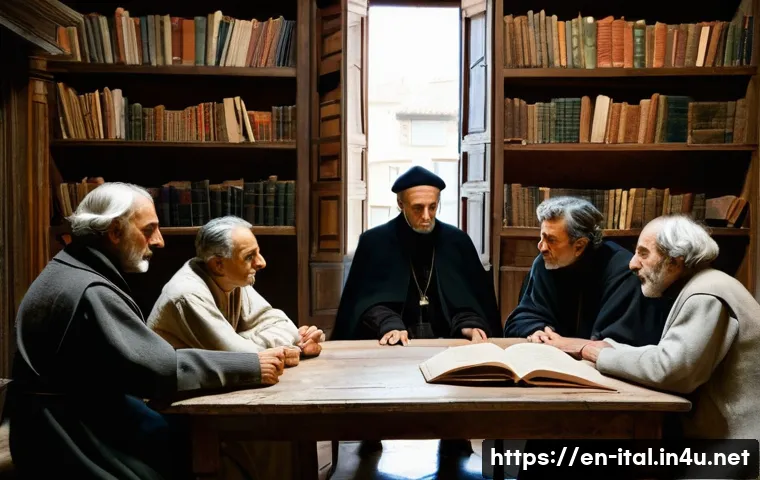
Political vocabulary in Italy sometimes serves to unite citizens under shared ideals but can also highlight divisions, especially between North and South or between different political factions.
The use of specific terms can signal belonging or dissent, making language a dynamic battleground for identity politics. Observing political rallies and media debates, I noticed how carefully chosen words resonate emotionally and politically with diverse audiences.
Contemporary Identity Debates
Today, debates about immigration, European integration, and regional autonomy are closely tied to questions of national identity and language use. Italians engage with these issues through political rhetoric that often draws on historical narratives and philosophical concepts.
This makes the study of Italian political terms not only intellectually rewarding but also crucial for understanding ongoing social transformations.
Key Political Terms and Their Practical Meanings
Understanding Common Terms
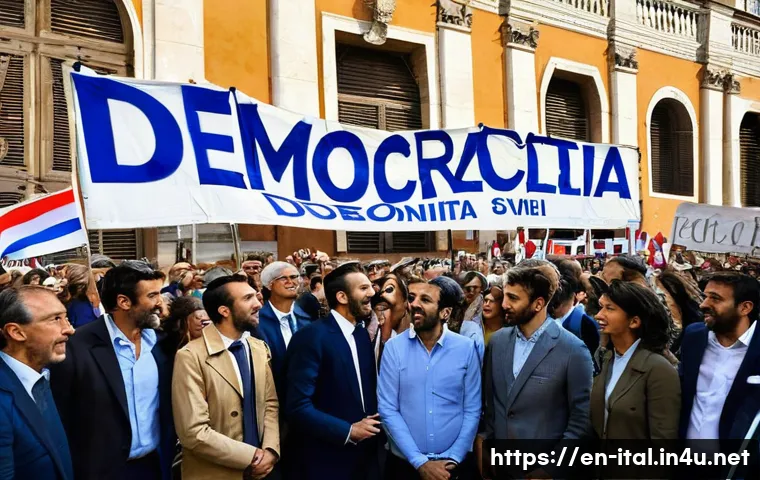
Italian political language includes a rich vocabulary that can be confusing without context. Terms like “democrazia” (democracy), “sovranità” (sovereignty), and “popolo” (people) carry meanings shaped by Italy’s unique historical and cultural experiences.
From my firsthand reading and discussions, I found that grasping these terms’ nuances helps decode political speeches, legal texts, and media commentary more effectively.
Terms in Everyday Political Life
These political words are not just academic; they appear in daily conversations, news reports, and grassroots activism. Italians often use them with emotional weight, reflecting their hopes, frustrations, and aspirations.
For instance, “libertà” (freedom) can be invoked in contexts ranging from constitutional rights to social movements, showing the versatility and power of political language.
Summary Table of Selected Terms
| Term | Literal Translation | Political Context | Example Usage |
|---|---|---|---|
| Democrazia | Democracy | System of government by the people | “La democrazia è la base della nostra Repubblica.” |
| Sovranità | Sovereignty | Supreme authority of the state | “La sovranità appartiene al popolo.” |
| Popolo | People | The citizens as a political body | “Il popolo italiano ha votato per il cambiamento.” |
| Virtù | Virtue | Moral excellence, especially in leadership | “La virtù è essenziale per un buon governante.” |
| Giustizia | Justice | Fairness and rule of law | “La giustizia deve essere imparziale.” |
Philosophical Influences on Political Language
The Renaissance Impact
The Renaissance was a turning point for Italian philosophy and politics, with thinkers like Machiavelli revolutionizing ideas about power and statecraft.
His works introduced a pragmatic, sometimes cynical view of politics that still influences Italian political language today. I find it intriguing how Renaissance philosophy blends classical ideals with the gritty realities of political life, shaping a vocabulary that balances ethics and effectiveness.
Modern Philosophical Contributions
In the 20th century, Italian philosophers such as Gramsci added new layers to political discourse, focusing on cultural hegemony and the role of ideology.
These contributions expanded the language of politics to include concepts like “civil society” and “intellectual leadership,” enriching how Italians talk about power beyond mere government structures.
From reading Gramsci’s writings, I appreciate how philosophy and politics intertwine in shaping public consciousness.
Philosophy’s Role in Public Debate
Philosophical ideas permeate Italian political debates, often surfacing in discussions about democracy, rights, and social change. Italians are known for lively, passionate discourse where philosophical terms enter everyday language, making political conversations both intellectually stimulating and accessible.
This dynamic interplay between theory and practice highlights the continuing importance of philosophy in Italy’s political life.
Language and Ideology: Bridging Past and Present
Historical Continuities
Italian political terms often carry historical baggage, linking contemporary issues to centuries-old ideologies. This continuity allows Italians to draw on a rich symbolic vocabulary that connects past struggles to present challenges.
I’ve noticed that this historical layering enriches political dialogue, giving it depth and resonance rarely found in other languages.
Adapting Language to Modern Contexts
While rooted in history, Italian political language adapts to new realities such as globalization, European integration, and digital communication. New terms and meanings emerge, reflecting changing political landscapes.
Observing Italian media and social platforms, I see how language evolves to meet contemporary needs without losing its cultural identity.
Language as a Tool for Political Mobilization
Political actors in Italy skillfully use language to mobilize support, frame debates, and construct collective identities. Whether through speeches, slogans, or social media, the strategic use of political terms influences public opinion and political outcomes.
From witnessing political campaigns firsthand, I can attest that language is a powerful instrument in shaping Italy’s political future.
In Conclusion
The journey through Italy’s political language and ideas reveals a vibrant tradition that continues to evolve. From its republican roots to modern challenges, Italian political discourse is rich with history, philosophy, and cultural nuances. Understanding this dynamic helps us appreciate how language shapes not just politics but the collective identity of a nation. It’s clear that Italy’s political vocabulary is more than words—it’s a living reflection of its people’s values and struggles.
Useful Information to Know
1. Italy’s republican tradition is deeply tied to its Renaissance city-states, which pioneered early democratic governance models.
2. The Italian Constitution, born after World War II, balances democracy with social rights but faces ongoing regional and political tensions.
3. Italian political language distinguishes subtle power concepts, like “potere” and “autorità,” reflecting complex authority structures.
4. Ethics and morality are central in Italian politics, influencing leadership expectations and public accountability.
5. Modern Italian political discourse continues to adapt, blending historical legacies with contemporary challenges such as globalization and digital communication.
Key Takeaways
Italian political language and thought are deeply interwoven with the country’s historical evolution, philosophical traditions, and social realities. This rich interplay shapes how Italians engage with concepts like democracy, justice, and identity. Recognizing the nuances in political vocabulary offers valuable insight into Italy’s governance and civic culture, highlighting the ongoing dialogue between past and present that defines its political landscape.
Frequently Asked Questions (FAQ) 📖
Q: Why is it important to learn Italian philosophical and political terms?
A: Learning these terms opens up a deeper understanding of Italy’s profound impact on global thought, especially from the Renaissance onward. It allows you to grasp complex ideas about governance, ethics, and society directly from their original context, making your exploration of philosophy and politics more authentic and insightful.
Plus, it enriches your vocabulary and connects you with a rich cultural heritage that still influences modern debates.
Q: How can understanding Italian political terms benefit travelers or students?
A: For travelers, knowing these terms can transform a simple visit into an intellectual journey, enabling richer conversations with locals and a better appreciation of Italy’s historical sites and political culture.
For students, it offers a competitive edge in academic discussions, research, and language skills by bridging language and ideology, helping them engage critically with texts and ideas that shaped Western civilization.
Q: Which Italian philosophical or political terms should beginners focus on first?
A: Beginners should start with foundational terms like “Rinascimento” (Renaissance), “Stato” (State), “Democrazia” (Democracy), and “Etica” (Ethics). These words capture key concepts central to Italian thought and provide a solid base to explore more nuanced ideas.
From there, diving into terms related to famous thinkers like Machiavelli or Gramsci can bring even more clarity and depth to your understanding.