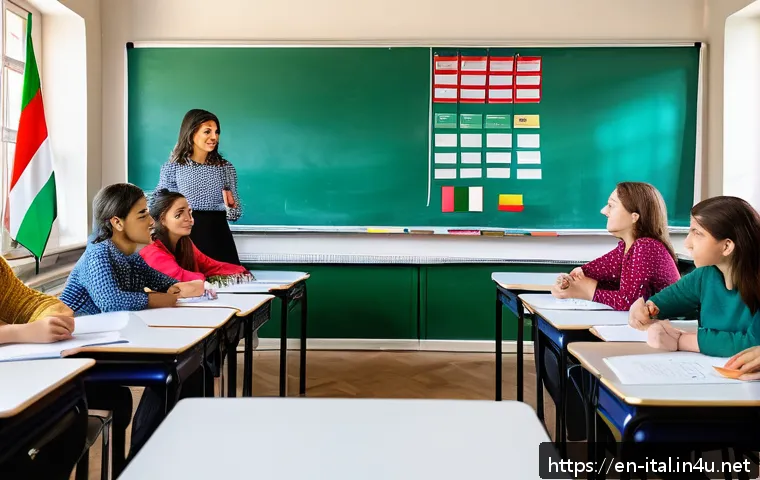
With travel slowly opening up and Italy topping many bucket lists again, there’s never been a better time to brush up on essential Italian phrases. Whether you’re planning a quick getaway or dreaming of living la dolce vita, mastering everyday conversations will make your experience richer and more enjoyable.
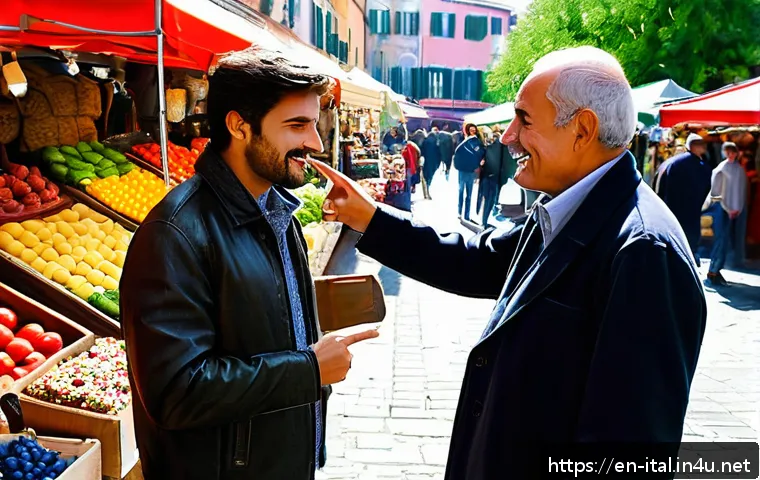
From greeting locals to ordering your favorite espresso, these key expressions unlock authentic connections and smoother interactions. Dive in, and you’ll find yourself speaking Italian faster than you imagined—no more awkward pauses or missed opportunities.
Let’s explore the must-know phrases that will have you chatting confidently in no time!
Mastering Friendly Greetings and Introductions
Starting Conversations with Warmth
When you first meet someone in Italy, a simple greeting goes a long way in setting a friendly tone. Italians appreciate politeness wrapped in enthusiasm, so using phrases like “Buongiorno” (Good morning) or “Buonasera” (Good evening) feels natural and inviting.
From my own travels, I noticed locals light up when I made the effort to greet them properly, making every interaction more genuine. Don’t be shy to add a smile and eye contact—this combo opens doors to richer conversations and even new friendships.
Introducing Yourself Smoothly
Introducing yourself doesn’t have to be intimidating. A casual “Mi chiamo [Your Name]” (My name is [Your Name]) works perfectly. Pairing it with “Piacere di conoscerti” (Nice to meet you) shows your interest in connecting beyond just exchanging names.
I recall a time in a small café where this simple exchange sparked a 20-minute chat about local traditions—I was surprised how quickly a name could become a bridge to culture.
Asking About Others with Genuine Curiosity
Italians love to share their stories, so asking “Come stai?” (How are you?) or the more formal “Come sta?” can invite someone to open up. When I used these phrases, people often responded warmly, sometimes with more detail than I expected, turning a routine question into a memorable cultural exchange.
Remember, your tone matters—showing genuine interest makes your Italian sound less robotic and more heartfelt.
Navigating Everyday Needs with Confidence
Ordering Food and Drinks Like a Local
Ordering at an Italian café or restaurant is one of the best chances to practice your phrases. Saying “Vorrei un caffè, per favore” (I would like a coffee, please) or “Posso avere il menù?” (Can I have the menu?) helps you feel in control while respecting local customs.
I’ve found that throwing in a “Grazie” (Thank you) after receiving your order not only shows gratitude but often earns you a friendly nod or smile from the staff.
Shopping Essentials Made Easy
If you need to pick up essentials, knowing how to ask for prices or sizes can save you from confusion. Simple phrases like “Quanto costa?” (How much does it cost?) or “Avete una taglia più grande?” (Do you have a bigger size?) come in handy.
I remember wandering through a bustling market where using these questions helped me snag the perfect leather jacket without any language mishaps.
Seeking Directions Without Stress
Getting lost is part of the adventure, but being able to ask for help smoothly makes it less frustrating. Questions like “Dove si trova la stazione?” (Where is the station?) or “Può aiutarmi?” (Can you help me?) are lifesavers.
I once found myself miles from my accommodation, and these phrases led me to a kind local who not only guided me but even walked part of the way with me—such moments turn travel mishaps into unforgettable experiences.
Expressing Gratitude and Politeness Effortlessly
Simple Words That Make a Big Impact
“Grazie” (Thank you) and “Prego” (You’re welcome) are the backbone of Italian politeness. Using them frequently shows respect and appreciation, which Italians deeply value.
In my experience, sprinkling these words throughout conversations—whether with shopkeepers or strangers—elevated the warmth and friendliness of each encounter.
Apologizing and Excusing Yourself Gracefully
Situations arise where you might bump into someone or need to get by in a crowded place. Phrases like “Mi scusi” (Excuse me) and “Mi dispiace” (I’m sorry) come in handy.
I once accidentally stepped into a narrow street and said “Mi scusi” with a smile, which immediately diffused any tension and even sparked a lighthearted joke from a passerby.
Showing Respect in Formal Situations
When interacting with older people or in professional contexts, using the formal “Lei” form is crucial. Saying “Come sta?” instead of “Come stai?” or adding “Signore” and “Signora” shows your respect.
I noticed that making this small adjustment often led to more open and respectful conversations, making me feel more welcomed and appreciated.
Handling Emergencies and Important Situations Calmly
Communicating Urgent Needs Clearly
Knowing how to express emergencies is essential for safety. Phrases like “Aiuto!” (Help!) or “Ho bisogno di un dottore” (I need a doctor) are straightforward but vital.
On one trip, a friend felt unwell, and being able to say “Dov’è l’ospedale più vicino?” (Where is the nearest hospital?) made a huge difference in getting quick assistance.
Explaining Problems Effectively
If something goes wrong, such as losing your wallet or missing a train, being able to describe the issue helps. Saying “Ho perso il portafoglio” (I lost my wallet) or “Ho perso il treno” (I missed the train) can quickly alert others to your situation.
I recall how calmly explaining my problem to a ticket agent in Italian resulted in helpful advice and even a discounted ticket.
Requesting Help from Authorities
In cases where official help is needed, knowing how to address police or emergency services respectfully is key. Phrases like “Posso parlare con la polizia?” (Can I speak with the police?) or “C’è un’emergenza” (There is an emergency) communicate urgency clearly.
Using these expressions during a chaotic moment made me feel more secure, knowing I could reach out confidently if needed.
Building Social Connections Through Small Talk
Talking About the Weather and Daily Life
Small talk in Italy often revolves around the weather, food, or daily routines. Saying “Che tempo fa oggi?” (What’s the weather like today?) or “Ti piace la cucina italiana?” (Do you like Italian cuisine?) helps break the ice.
From my experience, these light conversations often lead to deeper discussions and invitations to local events or dinners.
Sharing Your Travel Experiences
Italians love hearing about visitors’ adventures. Phrases like “Sto visitando Roma da tre giorni” (I’ve been visiting Rome for three days) or “Mi piace molto questa città” (I really like this city) invite locals to share tips and stories.
I found that opening up about my travels led to unexpected friendships and insider recommendations that I wouldn’t have discovered otherwise.
Inviting and Accepting Social Plans
Making social plans feels natural with phrases such as “Vuoi prendere un caffè?” (Do you want to grab a coffee?) or “Ti va di venire con noi?” (Do you want to come with us?).
Saying “Sì, volentieri” (Yes, gladly) or politely declining with “Mi dispiace, non posso” (Sorry, I can’t) keeps the interaction smooth. I remember how these invitations transformed casual acquaintances into lifelong friends.
Key Italian Phrases at a Glance
| Situation | Italian Phrase | English Meaning | Usage Tips |
|---|---|---|---|
| Greeting | Buongiorno / Buonasera | Good morning / Good evening | Use according to time of day; add a smile for warmth |
| Introducing Yourself | Mi chiamo [Name] | My name is [Name] | Follow with “Piacere di conoscerti” for friendliness |
| Ordering | Vorrei un caffè, per favore | I would like a coffee, please | Politeness matters; always say “per favore” and “grazie” |
| Asking for Directions | Dove si trova la stazione? | Where is the station? | Speak clearly and listen carefully to the response |
| Expressing Thanks | Grazie / Prego | Thank you / You’re welcome | Use frequently to show appreciation |
| Emergency | Aiuto! / Ho bisogno di un dottore | Help! / I need a doctor | Speak loudly and clearly in urgent situations |
Closing Thoughts
Mastering friendly greetings and essential phrases opens the door to richer experiences while traveling in Italy. By embracing warmth, politeness, and genuine curiosity, you’ll connect more deeply with locals and navigate everyday situations with ease. Remember, small efforts in language go a long way in creating memorable moments and lasting friendships.
Helpful Tips to Keep in Mind
1. Practice common greetings and introductions to make a positive first impression.
2. Use polite expressions like “please,” “thank you,” and formal address when appropriate.
3. Don’t hesitate to ask questions or for help; locals appreciate genuine interest.
4. Keep emergency phrases handy for peace of mind during unexpected situations.
5. Engage in small talk to build social connections and enrich your travel experience.
Key Takeaways for Your Italian Journey
Understanding and using basic Italian phrases not only enhances communication but also shows respect for the culture. Being polite and attentive encourages friendly responses and smoother interactions. Preparation with emergency and directional language ensures confidence and safety. Above all, genuine effort in language and attitude transforms simple exchanges into meaningful connections that make your trip unforgettable.
Frequently Asked Questions (FAQ) 📖
Q: What are some essential Italian phrases for beginners to know when visiting Italy?
A: For anyone starting out, learning a few basic phrases can make a huge difference. Key expressions include greetings like “Buongiorno” (Good morning), polite phrases such as “Per favore” (Please) and “Grazie” (Thank you), and simple questions like “Dove è il bagno?” (Where is the bathroom?).
These help you navigate daily interactions smoothly and show respect to locals, which Italians truly appreciate.
Q: How can I improve my Italian speaking skills before my trip?
A: Immersing yourself in the language little by little is the best way. I found that listening to Italian podcasts or watching Italian films with subtitles helped me pick up natural phrases and improve pronunciation.
Practicing aloud, even if just talking to yourself, builds confidence. Also, apps that focus on conversational practice can simulate real-life scenarios, making it easier to recall phrases when you’re actually there.
Q: Is it necessary to be fluent in Italian to enjoy my time in Italy?
A: Absolutely not! Even a handful of well-chosen phrases goes a long way. Italians are generally warm and patient with travelers making an effort to speak their language.
Showing you care enough to try often leads to friendlier interactions and sometimes even insider tips from locals. So don’t stress about fluency—focus on key phrases, body language, and a smile, and you’ll have a memorable experience.