Stepping into Italy is like entering a vibrant tapestry woven with breathtaking landscapes, incredible food, and, if you listen closely, a symphony of distinct voices.
I remember my first trip, expecting everyone to speak the beautiful standard Italian I’d diligently studied. But oh, was I surprised! From the bustling streets of Naples to the serene canals of Venice, it felt like a new language unfolded with every train ride.
It’s a common misconception that everyone in Italy speaks ‘textbook’ Italian. The truth is, Italy boasts a rich, fascinating mosaic of regional dialects, each a unique window into its local history and culture.
These aren’t just mere accents; they’re often distinct linguistic systems that have survived centuries and continue to be a vital part of regional identity, even in our globalized world.
If you’re planning a trip or just curious about the heart of Italian identity, understanding this linguistic landscape is absolutely key to truly connecting with the spirit of the land.
Ready to unravel the charming complexities of standard Italian and its incredible regional cousins? Let’s explore this captivating world together below!
The Whispers of History: How Dialects Took Root
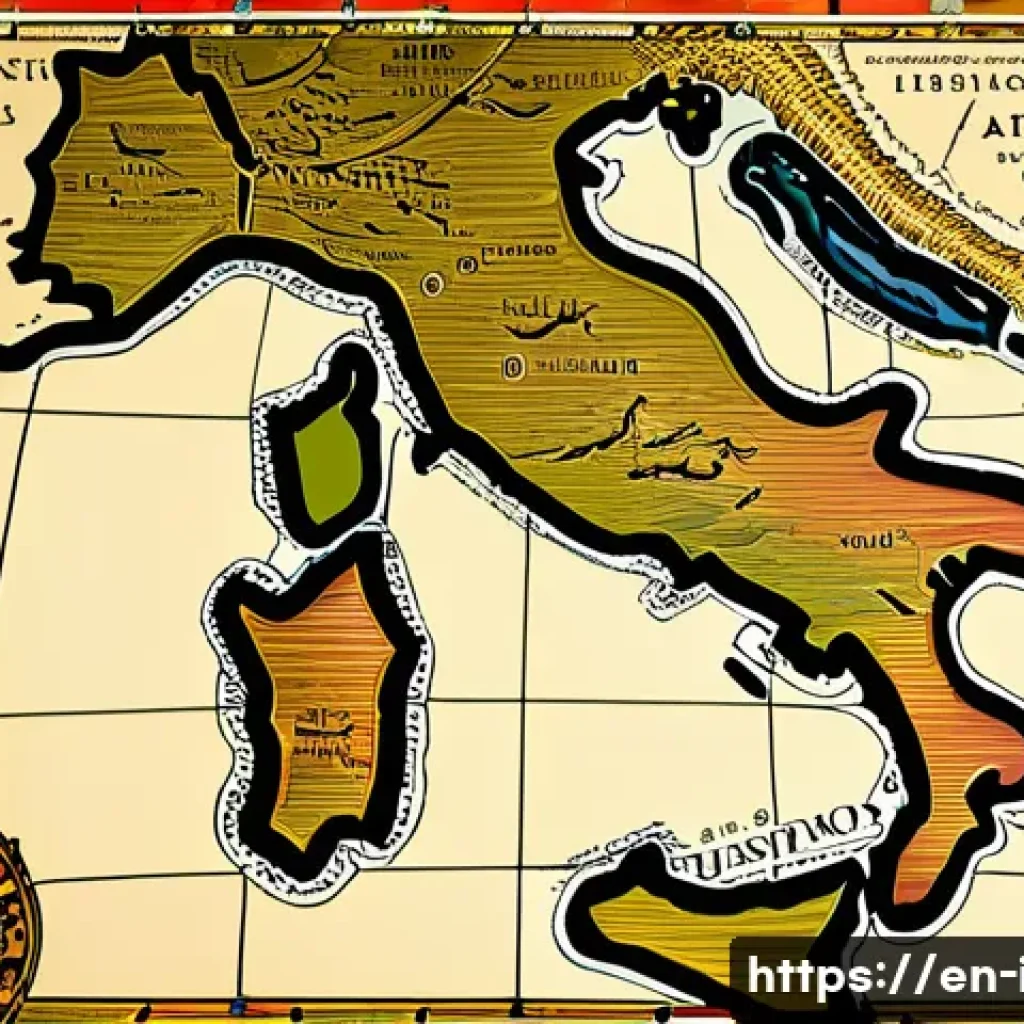
You know, it’s funny how we often imagine a country’s language as this perfectly uniform entity, a single voice echoing from coast to coast. But Italy, bless its heart, is anything but uniform, especially when it comes to its words. The sheer diversity of Italian dialects isn’t some modern quirk; it’s a living, breathing testament to millennia of invasions, shifting borders, and fiercely independent city-states. Imagine, for a moment, the Roman Empire fading, leaving behind a linguistic vacuum that slowly filled with regional variations of Vulgar Latin. Then came the Byzantines, the Lombards, the Normans, the Arabs, the Spanish, the Austrians – each leaving their indelible mark, not just on the architecture and cuisine, but deeply embedding themselves into the very fabric of spoken communication. When I first started digging into this, it felt like uncovering layers of an ancient archaeological site, each stratum revealing a different linguistic influence, a different story of who ruled where and for how long. It truly makes you appreciate that what we call ‘Standard Italian’ is, in many ways, a relatively recent construct, solidified largely through literature and, much later, through media and education. Before that, for centuries, people primarily communicated in their local tongues, which were often mutually unintelligible to someone just a few hundred miles away. This isn’t just academic; it profoundly shaped the cultural identity of each region, forging bonds and distinctions that remain incredibly potent today, making Italy a unique linguistic puzzle.
A Linguistic Mosaic from Roman Echoes
It all really boils down to the fragmentation of the Roman Empire and the subsequent lack of a centralized power capable of enforcing a linguistic standard across the entire peninsula. Think about it: once the unifying force of Rome diminished, local populations, often isolated by formidable mountain ranges or even just difficult travel, naturally developed their own distinct ways of speaking. These weren’t simply ‘accents’ in the way we might think of regional accents in English; they were fully fledged languages, evolving independently for hundreds of years. The substrata of pre-Roman languages, like Etruscan or Oscan, also played a role, subtly influencing the Latin spoken in those areas before it even began to diverge into distinct dialects. It’s a testament to the resilience of local cultures that these linguistic variations not only survived but thrived for so long, creating a rich tapestry of verbal expression.
Foreign Hands Shaping Local Tongues
Beyond the legacy of Rome, the constant ebb and flow of foreign powers had a dramatic impact. Take Sicily, for instance, where Arabic influences are still evident in certain vocabulary and even grammatical structures, a direct result of centuries of Arab rule. Or consider the north, particularly Veneto, where Venetian dialect carries traces of Germanic influence from the Lombards and even some French connections. In the south, especially around Naples, Spanish domination left a profound linguistic footprint. I remember hearing certain Neapolitan phrases and realizing they had a distinctly Spanish flavor, and it really clicked for me how intertwined history and language truly are. Each invasion, each conquest, was a seed planted in the linguistic soil, sprouting into unique expressions and ways of speaking that are still very much alive today, enriching the regional identities in profound ways.
More Than Just Accents: A Deep Dive into Regional Voices
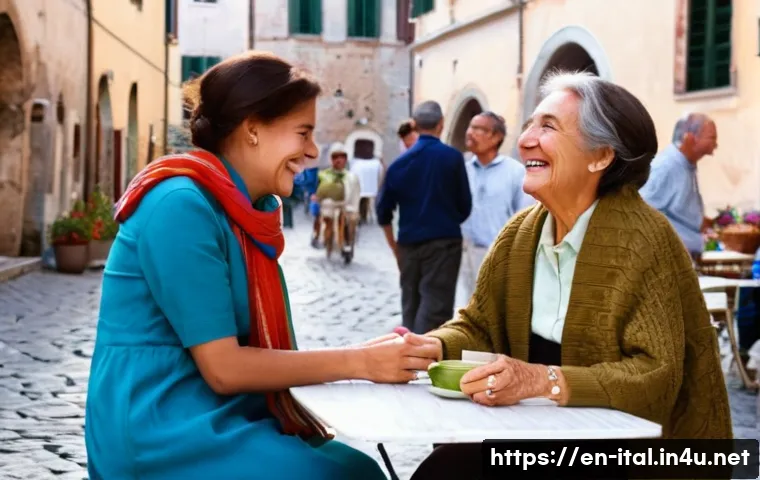
When I first landed in Italy, I was so proud of my meticulously practiced “standard” Italian. I could order a cappuccino, ask for directions, and generally navigate daily life. But then, I’d step off a train in a new city, and suddenly, it felt like I was back at square one! It’s such a common misconception that Italy’s regional variations are just minor inflections, like the difference between a Texan drawl and a New England twang. Oh no, my friend, it’s so much more profound than that. We’re talking about linguistic systems that can be mutually unintelligible, complete with their own grammars, vocabularies, and even distinct phonetic rules. It’s truly fascinating, and a little humbling, to realize the depth of this linguistic diversity. I remember trying to decipher a conversation between two elderly women in a small village in Puglia, and honestly, despite knowing Italian, I caught perhaps one word in five. It was a real “aha!” moment, realizing these weren’t just quirky ways of saying things; they were entirely different expressions of thought and culture. This richness is what makes Italy so endlessly captivating, but also a delightful challenge for the eager linguist looking to truly connect with the local spirit.
From Lombard to Sicilian: Distinct Linguistic Systems
Let’s talk specifics. Take Lombard, for example, spoken in parts of Northern Italy. It’s a Romance language in its own right, distinct from Tuscan-based Standard Italian, with significant differences in pronunciation, grammar, and vocabulary. Then you have Venetian, spoken in Venice and the surrounding Veneto region, which has its own unique charm and, again, isn’t just ‘accented Italian.’ Move further south, and you encounter Neapolitan, vibrant and expressive, carrying centuries of history in its words and intonations. And don’t even get me started on Sicilian! Often considered the oldest Romance language to have developed from Vulgar Latin, it has been heavily influenced by Greek, Arabic, French, and Spanish. These aren’t just minor deviations; they are separate branches of the Romance family tree, each with its own proud heritage and evolution. It’s like discovering that while you thought you knew the forest, there are entire groves you hadn’t even imagined, each with its own unique flora and fauna waiting to be explored.
A Spectrum of Intelligibility
The interesting thing about these dialects is the spectrum of intelligibility. Someone from Rome might understand a Tuscan speaker relatively well, given that Standard Italian is based on the Tuscan dialect. But put that same Roman in a conversation with someone speaking Friulian (another distinct language spoken in the Friuli-Venezia Giulia region) or even a deep Calabrian dialect, and they might struggle significantly. It really emphasizes the idea that “Italian” itself is a broad umbrella, encompassing a vast and beautiful array of distinct linguistic identities. This became strikingly clear to me when I was traveling through Calabria, and the local dialect felt so incredibly different from anything I had encountered elsewhere. The locals were so proud of their specific way of speaking, and it made me realize that to truly connect, you need to appreciate and acknowledge these distinct linguistic identities, as they are a powerful insight into the local psyche and cultural fabric.
Navigating the Linguistic Labyrinth: Why Dialects Persist
In an age of global communication, standardized education, and pervasive media, you might wonder why these dialects haven’t simply faded away. It’s a question I’ve pondered many times myself, especially when witnessing younger generations still effortlessly code-switching between their local dialect and standard Italian. The resilience of these regional tongues is truly remarkable and speaks volumes about their deep cultural roots. It’s not just about tradition; it’s about identity, community, and a unique way of seeing the world that’s encapsulated in these ancient words. Despite the unifying forces of national television, schooling, and increased mobility, these dialects continue to thrive, especially in close-knit communities and within families. I’ve noticed that for many Italians, speaking dialect isn’t just communication; it’s a performance of belonging, a nod to their heritage, and a way to instantly connect with someone from their hometown, creating an intimate bond that transcends mere words and truly showcases their regional pride.
The Unyielding Grip of Local Identity
At its core, the persistence of dialects is a powerful assertion of local identity. Italy has a long history of regionalism, where allegiances often lay more strongly with one’s city or region than with the nascent nation-state for centuries. This strong sense of local pride extends naturally to language. For many, speaking their dialect is an intrinsic part of who they are and where they come from. It’s a heritage passed down through generations, a secret language shared among family and friends that outsiders might not fully grasp. I remember a friend from Naples telling me how speaking Neapolitan felt like “home,” even more so than standard Italian. It’s a comfort, a cultural touchstone that connects them to their ancestors and their specific community in a way that the national language, for all its beauty, simply cannot. It creates an almost unbreakable bond within a community, a shared understanding that goes beyond dictionary definitions, deeply rooted in their historical and social fabric.
Informal Communication and Emotional Expression
While standard Italian dominates formal settings, government, and mainstream media, dialects often remain the preferred mode of communication in informal, everyday interactions. They are the language of the dinner table, the piazza, the local market. What’s more, dialects often possess a unique richness for emotional expression. Many Italians will tell you that certain feelings, nuances, or jokes just “sound better” or feel more authentic when expressed in dialect. There’s a particular warmth, a specific kind of wit, or a unique emphasis that can be conveyed through dialect that sometimes feels diluted in standard Italian. I’ve personally experienced how an elderly woman’s scolding in a thick Romanesco dialect felt more playful and endearing than if she had used standard Italian. It’s in these subtle emotional inflections that the true heart of a dialect often lies, making it an irreplaceable tool for genuine human connection and a deeper understanding of local life.
My Personal Encounters with Italy’s Dialectal Charm
Traveling through Italy has been an absolute masterclass in linguistic diversity, and some of my most memorable moments have involved navigating, or attempting to navigate, the local dialects. There’s a certain thrill in trying to pick up phrases or even just recognize the cadence of a regional tongue. I remember being in a small trattoria in Emilia-Romagna, trying to order something off a handwritten menu, and the owner, a jovial man with a twinkle in his eye, started explaining things to me in a rapid-fire Emilian dialect. My standard Italian was utterly useless! He saw my bewildered face, chuckled, and then switched to a slower, more comprehensible (though still accented) Italian. But the brief dive into his native tongue gave me such an authentic glimpse into the local culture. It wasn’t just about the words; it was about the warmth, the humor, and the pride he had in his regional speech. These aren’t just linguistic curiosities; they are doorways into genuine human connection, even if you only catch a few words. Understanding these subtle differences is key to truly feeling the pulse of each region, and they truly enrich your travel experience in ways you can’t anticipate.
A Taste of Neapolitan Rapidity
One of my most vivid memories is from Naples. I was trying to buy some street food, and the vendor, a whirlwind of energy, was shouting prices and options in what sounded like a completely different language. It was Neapolitan, and it was fast! I felt like I was standing in front of a linguistic hurricane. I managed to catch “pizza” and a few other cognates, but the rest was a beautiful, unintelligible symphony. What struck me, though, was the sheer expressiveness of it. Every gesture, every intonation, was amplified by the dialect. It was an experience that truly hammered home how vibrant and alive these regional languages are. It wasn’t intimidating; it was invigorating. It made me want to learn more, to understand the layers beneath the standard tongue, to grasp that unique Neapolitan rhythm of life expressed through their words and rapid-fire delivery, a true reflection of the city’s lively spirit.
The Lulling Cadence of Venetian
In stark contrast to the lively Neapolitan, I found the Venetian dialect in Venice to have a more lulling, almost poetic cadence. Walking along the canals, I’d often hear gondoliers or locals chatting amongst themselves, and while I still struggled to understand full sentences, the musicality of the dialect was undeniable. It felt perfectly suited to the city’s unique atmosphere – flowing, gentle, and utterly charming. I recall one evening, sitting by a canal, listening to an elderly couple conversing. Even without understanding every word, the sounds themselves painted a picture, adding another layer to the magical ambiance of Venice. It’s moments like these that make you realize that appreciating Italian dialects isn’t just about translation; it’s about soaking in the entire cultural experience, letting the sounds wash over you and becoming part of the local tapestry, a truly immersive sonic journey that lingers long after you’ve left.
To give you a little taste of just how varied these greetings can be, here’s a quick peek at some common phrases across a few regions. You’ll quickly see it’s more than just a tweak here and there!
| English | Standard Italian | Neapolitan | Venetian | Sicilian |
|---|---|---|---|---|
| Hello / Good morning | Buongiorno | Buonjuorno | Bondì | Bonu jornu |
| How are you? | Come stai? | Comme staje? | Come xeła? | Comu stati? |
| Thank you | Grazie | Grrazzie | Grasie | Grazzi |
| Yes | Sì | Sì | Sì | Sì |
| No | No | No | No | No |
Unlocking Local Culture: The Power of Dialect
Understanding the role of dialect in Italy isn’t just an academic exercise for linguists; it’s a golden key to unlocking the true essence of local culture. When you delve into a regional dialect, even just a few phrases, you’re not just learning words; you’re gaining insight into centuries of history, unique traditions, and a distinct way of thinking that defines a community. It’s like discovering a secret handshake that immediately marks you as an insider, or at least someone who genuinely cares to connect on a deeper level. I’ve found that locals’ faces light up when you attempt even the simplest dialect greeting. It’s a sign of respect, an acknowledgment of their unique heritage, and it instantly melts away any initial barriers. This cultural immersion is precisely why I believe exploring dialects is so rewarding for any traveler keen to move beyond the tourist traps and experience Italy authentically, diving into the rich tapestry of its regional identities.
Beyond Words: Proverbs and Expressions
One of the most profound ways dialects unlock culture is through their unique proverbs, idioms, and expressions. These are often untranslatable directly into standard Italian, let alone English, and they offer a direct window into the local psyche, humor, and wisdom. For instance, a Sicilian proverb might capture the island’s historical resilience or its unique approach to family honor in a way that standard Italian simply cannot replicate. Or a Neapolitan saying might perfectly encapsulate the city’s lively spirit or its characteristic fatalism. I remember learning a few local expressions during my time in Puglia, and each one felt like a tiny, perfectly crafted story, revealing something fundamental about the people and their history. They’re not just linguistic quirks; they’re cultural artifacts, carefully preserved nuggets of wisdom passed down through generations, carrying the true spirit of a region within their concise phrases.
Connecting with the Heart of a Community
Attempting to speak even a few words of a local dialect can be an incredibly powerful tool for connecting with people. It shows a genuine interest and respect for their heritage that goes beyond mere politeness. I’ve seen this happen time and again: a tentative “Ciao, come stai?” in standard Italian gets a polite response, but a slightly garbled attempt at “Bondì, come va?” in Venetian can elicit a smile, a laugh, and an immediate opening up from the local. It’s a bridge-builder, a conversation starter, and a way to earn trust and goodwill almost instantly. These are the moments that transform a trip from a mere vacation into a deeply enriching cultural exchange, allowing you to forge human bonds that transcend language barriers and create truly unforgettable memories with the people you meet.

Practical Tips for Travelers: Embracing the Linguistic Diversity
So, if you’re planning a trip to Italy and want to truly immerse yourself, how do you navigate this beautiful but complex linguistic landscape? My top tip is this: don’t be intimidated! Embrace it as part of the adventure. You’re not expected to become fluent in every regional dialect, but a little curiosity and a few key phrases can go a very long way. Think of it as adding extra layers of flavor to your Italian journey. I’ve found that simply acknowledging the existence of a dialect, even if you can’t speak it, often opens doors. Locals appreciate when you show an interest in their specific culture, and language is such a huge part of that. It transforms a generic tourist interaction into something more personal and memorable, creating opportunities for genuine connection that you wouldn’t otherwise experience. Don’t hesitate to ask locals about their dialect – they are usually incredibly proud and eager to share their linguistic heritage with an interested visitor.
Learning a Few Key Phrases
While learning an entire dialect is a monumental task, picking up a few common greetings, thanks, or simple phrases in the local tongue of the region you’re visiting can make a huge difference. For example, in Sicily, instead of just “Grazie,” try “Grazzi.” In Venice, a “Bondì” (good day) instead of “Buongiorno” is a wonderful way to start your morning. These small gestures show respect and effort, and I’ve seen them unlock smiles and warmer interactions time and again. There are often apps or small phrasebooks dedicated to specific dialects, or even just searching online for “basic phrases in [region] dialect” can give you a starting point. It’s not about perfection; it’s about making the effort and showing a genuine willingness to engage with the local culture, which truly enhances your travel experience in unforgettable ways.
Observing and Listening
Beyond active learning, simply observing and listening can be incredibly enriching. Pay attention to the way people speak in different regions. Notice the musicality, the particular pronunciations, and the unique vocabulary. Even if you don’t understand every word, soaking in the soundscape of a region’s dialect provides a deeper sense of place and culture. I love just sitting in a piazza with a coffee, listening to the local chatter. It’s like listening to the unique soundtrack of that city, a vibrant and dynamic expression of its inhabitants. This passive immersion helps you tune your ear and appreciate the sheer variety that Italy offers, allowing you to feel more connected to your surroundings without the pressure of active conversation, truly embracing the auditory landscape of each distinct region.
The Future of Italy’s Dialects: Preserving a Precious Heritage
As much as I adore the vibrant life of Italian dialects, it’s also important to acknowledge the challenges they face in the modern era. With increased globalization, the dominance of standard Italian in education and media, and the mobility of younger generations, there’s a natural concern about the future of these unique linguistic treasures. Will they eventually fade into history books, remembered only by linguists? I truly hope not, because losing a dialect isn’t just losing a set of words; it’s losing a unique perspective, a specific cultural memory, and an entire way of understanding the world. Thankfully, there’s a growing movement to preserve and celebrate these dialects, recognizing their immense cultural value and the richness they add to Italy’s identity. It’s a delicate balance between progress and preservation, but one that many passionate Italians are dedicated to maintaining, ensuring their voices continue to be heard.
Efforts in Revitalization and Education
Across Italy, you’ll find incredible initiatives aimed at keeping dialects alive. From dialect poetry readings and theater performances to local cultural associations offering classes, there’s a real push to ensure these linguistic legacies aren’t forgotten. Some schools, particularly in regions with very strong dialectal traditions, even incorporate dialect into their curriculum, teaching children about their linguistic heritage alongside standard Italian. I’ve seen charming children’s books published in various dialects, and local TV and radio stations sometimes feature dialect programs. These efforts are crucial because they don’t just teach the language; they instill a sense of pride and connection to one’s roots, ensuring that the younger generation sees their dialect not as something old-fashioned, but as a valuable and vibrant part of their identity, actively participating in its continued evolution.
The Digital Age and Dialect Preservation
Interestingly, the digital age, which might seem like a force for standardization, is also proving to be a powerful tool for dialect preservation. Online communities, social media groups, and even dedicated websites are popping up, allowing speakers of various dialects to connect, share resources, and keep their languages alive in a virtual space. I’ve stumbled upon Facebook groups where people only post in Neapolitan or Venetian, and it’s wonderful to see. Podcasts, YouTube channels, and online dictionaries are making it easier for people to learn about and engage with dialects, regardless of their physical location. This digital renaissance offers a glimmer of hope that these precious linguistic traditions will continue to evolve and thrive, finding new ways to connect with contemporary life and ensuring that Italy’s symphony of voices continues to play for generations to come, a testament to its enduring cultural richness.
Wrapping Up
And there you have it, folks! What began as a fascinating dive into Italy’s linguistic tapestry truly unfolded into a profound appreciation for its rich cultural heritage. These aren’t just quaint variations; they’re living relics of history, vibrant expressions of regional identity, and a beautiful testament to the enduring spirit of local communities. My journey through Italy has shown me that embracing these dialects, even in the smallest ways, offers an unparalleled opportunity to connect with the heart and soul of each place you visit. So, next time you’re planning an Italian adventure, don’t just pack your bags; pack your curiosity for these incredible voices!
Good to Know
1. Don’t Be Intimidated, Embrace the Adventure: When I first encountered the rapid-fire Neapolitan or the melodious Sicilian, I’ll admit, a tiny part of me felt overwhelmed. My carefully learned Standard Italian suddenly seemed inadequate! But here’s the secret: don’t let that feeling stop you. Instead, view it as an exciting layer to your Italian experience. It’s like finding a secret menu at your favorite restaurant – it adds depth, intrigue, and a unique flavor to your journey. My advice? Lean into the confusion, laugh at yourself, and appreciate that you’re witnessing a linguistic marvel that most tourists completely miss. This mindset shift truly transforms any potential frustration into pure discovery, and you’ll find that locals are often delighted by your genuine interest, even if your attempts are far from perfect. It’s the effort that counts, truly.
2. Master a Handful of Local Greetings and Phrases: You absolutely don’t need to become fluent in every dialect, but trust me, learning just a couple of key phrases in the local tongue works wonders. I’ve found that a simple “Bondì” in Venice or a “Comu stati?” in Sicily can instantly melt barriers and bring a warm smile to a local’s face. It’s a powerful sign of respect, an acknowledgment of their unique heritage, and it shows you’re not just passing through, but genuinely interested in connecting. I remember trying a simple “Ué” (a common Neapolitan greeting) with a street vendor, and his reaction was priceless – a huge grin and an instant, friendly rapport that made the entire interaction so much richer. These small linguistic gestures are currency in the world of authentic travel, opening doors to more meaningful exchanges and unforgettable moments.
3. Hone Your Listening Skills and Observe: Even if you can’t speak a dialect, simply listening and observing can be incredibly enriching. I often find myself sitting in a piazza with a coffee, just soaking in the rhythm and musicality of local conversations. You’ll start to notice distinct cadences, unique pronunciations, and even common words that differ from standard Italian. This passive immersion helps you attune your ear and offers a deeper sense of place and culture without the pressure of having to speak. It’s like listening to the unique soundtrack of that city, a vibrant and dynamic expression of its inhabitants that tells its own story. I’ve discovered so much about regional character just by paying close attention to the way people interact through their specific linguistic lens, adding a nuanced layer to my understanding of Italy.
4. Engage Locals with Curiosity, Not Judgment: Italians are incredibly proud of their regional identities, and their dialects are a huge part of that. If you approach them with genuine curiosity – perhaps asking “What’s a common phrase in your dialect?” or “How do you say [this] in your local language?” – you’ll often find them eager and delighted to share. I’ve had some of my most insightful conversations by simply expressing an interest in their dialect. It sparks a connection, transforms a transactional encounter into a genuine human exchange, and provides incredible insights into local life, humor, and traditions. It’s a bridge-builder, a conversation starter, and a way to earn trust and goodwill almost instantly, creating those magical travel moments that you’ll recount for years to come, long after your trip concludes.
5. Seek Out Region-Specific Resources (if you’re keen!): While Standard Italian will get you by, if you’re really serious about diving deeper into a particular region, consider looking for specific dialect resources. The internet is a treasure trove! There are often local online communities, YouTube channels, or even small, independently published phrasebooks dedicated to specific dialects. I’ve even found apps that offer basic lessons in languages like Sicilian or Neapolitan. While they might be harder to find than mainstream Italian learning tools, these specialized resources are invaluable for truly unlocking the nuances of a region. It shows an admirable commitment to cultural immersion and can significantly enhance your travel experience, allowing you to appreciate the full linguistic symphony that makes Italy so utterly unique.
Key Takeaways
My deep dive into Italy’s dialects has reinforced a fundamental truth: language is far more than just words; it’s the very soul of a culture, deeply intertwined with its history, identity, and unique way of life. We’ve seen how centuries of invasions and regional autonomy have forged a magnificent linguistic mosaic, where distinct languages, not just accents, thrive alongside standard Italian. This rich diversity offers an incredible opportunity for travelers to move beyond the superficial and forge truly authentic connections. By embracing a little curiosity, learning a few local phrases, and genuinely appreciating these unique voices, you’ll unlock a deeper, more meaningful understanding of Italy, connecting with its people and its past in ways that standard guidebooks simply cannot offer, transforming your trip into an unforgettable journey of cultural discovery.
Frequently Asked Questions (FAQ) 📖
Q: So, are these ‘dialects’ really different languages, or just strong accents?
A: Oh, this is such a fantastic question, and one I hear all the time! When I first started exploring Italy, I definitely thought it was just about mastering that beautiful ‘textbook’ Italian.
But trust me, you’ll quickly realize it’s so much more nuanced than that. While many Italians can switch to standard Italian, especially in formal settings or when speaking with someone from another region, those regional “dialects” are often full-blown linguistic systems with their own unique grammar, vocabulary, and pronunciation that are distinctly different from standard Italian.
Think of it this way: comparing Neapolitan to standard Italian is a bit like comparing Spanish to Portuguese – they share roots, but they’re definitely not the same language.
I remember trying to order coffee in a tiny Sicilian village once, confident in my Roman Italian, and getting a totally blank stare until a kind local switched to a more universally understood phrase.
It was a humbling, yet eye-opening, experience! These aren’t just subtle shifts in tone; they’re often mutually unintelligible for someone who only knows standard Italian.
It’s part of what makes Italy such a rich tapestry of cultures, each region proudly holding onto its linguistic heritage.
Q: As a traveler, should I even bother trying to understand or learn a few phrases in a local dialect?
A: Honestly, I get why you’d ask! It sounds daunting, right? You’re already trying to learn standard Italian, and now I’m telling you there are dozens of others!
My personal take? While it’s absolutely not necessary for basic communication – most people, especially in tourist areas, will understand standard Italian or even a bit of English – trying to pick up even a tiny local phrase or two can be an absolute game-changer for connecting with people.
It’s not about being fluent; it’s about showing respect and genuine interest. I remember being in Venice, and instead of just “Grazie,” I tried a halting “Grasie” (the Venetian way), and the smile I got from the gondolier was priceless!
It’s like a secret handshake that instantly warms people up to you. You’ll find yourself welcomed with more enthusiasm, possibly get better recommendations for that hidden trattoria, or simply enjoy a richer, more authentic interaction.
It’s a subtle way to say, “I appreciate your culture, not just the generalized ‘Italian’ one.” It truly opens doors and makes your trip so much more memorable.
Just a little effort goes a remarkably long way!
Q: Are younger generations still keeping these dialects alive, or are they slowly fading away?
A: This is a really poignant question, and it’s something I’ve seen firsthand evolve over my visits. The short answer is: it’s complicated, but they’re definitely not gone!
In many regions, especially the more rural ones or those with very strong cultural identities like Sicily, Sardinia, or parts of the south, you’ll still hear younger people speaking their local dialect, often alongside standard Italian.
It’s often spoken within families, among friends, or in very local community settings. However, with globalization, media, and education predominantly in standard Italian, there’s certainly a trend where the frequency of dialect use might be decreasing in some areas, particularly in larger, more cosmopolitan cities.
My friend in Milan, for instance, rarely speaks Milanese dialect, whereas my friend in a small town in Calabria uses his local dialect daily with his family.
But here’s the beautiful part: there’s also a growing appreciation and even a resurgence in some places! People are recognizing the cultural value, and efforts are being made to preserve and even teach dialects in schools or through cultural initiatives.
It’s a living, breathing part of Italy’s identity, evolving but certainly not disappearing without a fight. It’s a testament to the enduring power of local pride and heritage.