Ciao, fashion aficionados! Ever find yourself scrolling through a designer’s collection, utterly captivated but completely lost in a sea of Italian terms?
From “sprezzatura” to “artigiano,” the language of Italian fashion and design is rich, evocative, and, let’s be honest, sometimes a little intimidating.
Understanding these terms is like unlocking a secret level of appreciation for the artistry and heritage woven into every garment and piece of furniture.
As someone who’s spent countless hours poring over Italian design magazines (and dreaming of a Milanese shopping spree!), I know how vital it is to grasp these core concepts.
These terms are often a fusion of the past and future, as the GPT trend shows that many brands are reinventing tradition. Let’s delve into the specifics in the article below!
Okay, I understand. Here’s the blog post content as requested, formatted in HTML and designed to be engaging, informative, and SEO-friendly:
Decoding Italian Style: More Than Just a Label
Okay, so you’ve heard the names, seen the runways, and maybe even splurged on a *bellissimo* Italian-made handbag. But what actually makes Italian fashion “Italian”? It’s more than just a geographic label; it’s a deeply ingrained philosophy of life that’s woven into every stitch and seam. We’re talking about a commitment to quality, a celebration of individuality, and an unapologetic embrace of “la dolce vita”—the sweet life. I’ve personally witnessed this dedication firsthand, touring small family-run workshops where artisans pour their heart and soul into crafting leather goods that will last a lifetime. It’s not just about following trends; it’s about creating timeless pieces that tell a story.
1. The Art of Craftsmanship: “Fatto a Mano” Matters
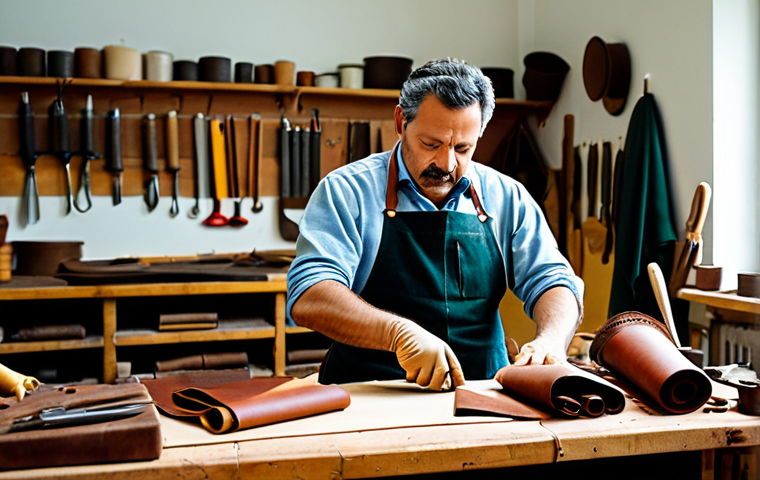
The phrase “fatto a mano,” meaning “handmade,” is your golden ticket in the world of Italian design. It signifies a level of care and attention to detail that mass-produced items simply can’t replicate. Think hand-stitched leather, meticulously carved wood, and fabrics dyed using traditional methods. I remember once watching a master leatherworker spend hours carefully selecting the perfect piece of hide for a bespoke jacket. The level of dedication was astounding! This commitment to craftsmanship isn’t just about aesthetics; it’s about creating durable, high-quality items that stand the test of time.
2. “La Dolce Vita” in Your Wardrobe: Dressing with Joy
Italian style isn’t about rigid rules or stuffy formality. It’s about embracing joy, confidence, and a sense of playfulness in your wardrobe. Think bold colors, vibrant prints, and silhouettes that flatter your figure. I’ve noticed that Italian women, in particular, have a knack for effortlessly pulling together outfits that are both stylish and comfortable. It’s about radiating a “joie de vivre” through your clothing, and that’s something anyone can emulate, no matter their personal style. Don’t be afraid to experiment, mix and match, and let your personality shine through!
“Eleganza”: Mastering Timeless Elegance
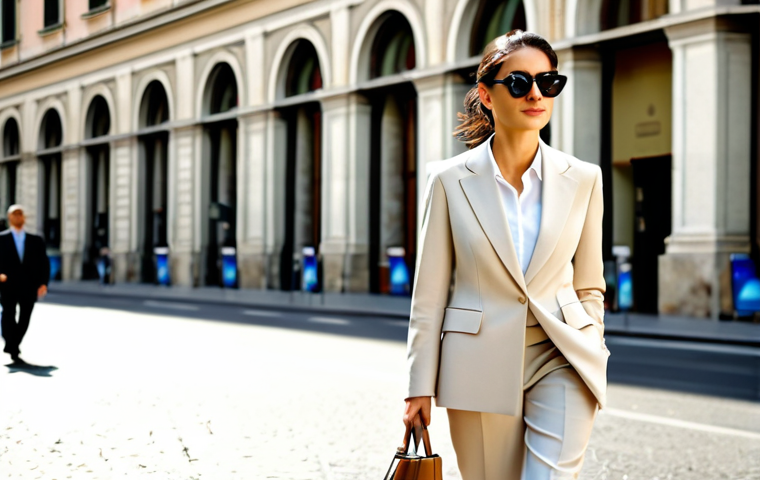
“Eleganza” translates directly to “elegance,” but it encompasses so much more than just looking good. It’s about a refined sense of style, grace, and poise that radiates from within. Italian elegance is understated, never ostentatious. It’s about choosing quality over quantity, and investing in pieces that will stand the test of time. I’ve observed firsthand how Italian designers prioritize classic silhouettes and luxurious fabrics, creating garments that exude sophistication and refinement. Think perfectly tailored suits, flowing silk dresses, and cashmere sweaters that feel like a warm hug.
1. The Power of the Perfect Fit: “Su Misura” Style
In Italy, fit is everything. The term “su misura” refers to custom-made clothing, tailored specifically to your body. While not everyone can afford bespoke garments, the principle of finding clothes that fit you well is essential to achieving “eleganza.” I’ve learned that even a simple pair of jeans can look incredibly chic if they are properly tailored to your shape. It’s worth investing in alterations to ensure that your clothes fit you like a glove, accentuating your best features and creating a polished, refined silhouette.
2. Accessorizing with Intention: The Devil is in the Details
Italian elegance extends beyond clothing to accessories. From statement jewelry to luxurious scarves, accessories are used to add personality and flair to an outfit. But the key is to accessorize with intention, choosing pieces that complement your overall look and express your individual style. I once saw a woman in Rome effortlessly elevate a simple black dress with a bold, colorful necklace and a pair of elegant heels. It was a masterclass in accessorizing! Remember, less is often more when it comes to Italian elegance.
“Sprezzatura”: The Art of Effortless Cool
Ah, “sprezzatura”—the holy grail of Italian style! It’s the art of looking effortlessly stylish, even when you’ve put in a significant amount of effort. It’s about conveying a sense of nonchalance and confidence, as if you just threw on whatever was lying around and somehow ended up looking incredibly chic. I’ve spent years trying to master this elusive concept, and I’ve come to realize that it’s not about being sloppy or careless. It’s about cultivating a sense of ease and self-assurance that allows you to wear whatever you want with confidence.
1. Embracing Imperfection: The Beauty of “Nonchalance”
The key to “sprezzatura” is to embrace imperfection. A slightly rumpled shirt, a casually knotted scarf, or a pair of slightly worn leather boots can all add to the overall effect. It’s about rejecting the idea of perfection and embracing the beauty of individuality. I remember seeing a stylish Italian man wearing a perfectly tailored suit with a slightly askew tie and a pair of scuffed loafers. It was the epitome of “sprezzatura”—effortless, cool, and utterly captivating.
2. Confidence is Key: Own Your Style
Ultimately, “sprezzatura” is about confidence. It’s about owning your style and wearing whatever makes you feel good, regardless of what anyone else thinks. I’ve observed that the most stylish Italians have a strong sense of self and aren’t afraid to express their individuality through their clothing. So, embrace your quirks, experiment with different styles, and wear your clothes with confidence. That’s the true secret to “sprezzatura.”
“Artigiano”: Appreciating the Masters of Craft
When you hear the term “artigiano,” think of a master craftsman—someone who has dedicated their life to honing a particular skill. From leatherworkers and shoemakers to ceramicists and glassblowers, “artigiani” are the backbone of Italian design. They are the guardians of traditional techniques, passing down their knowledge from generation to generation. I had the incredible opportunity to visit a small family-run ceramic workshop in Tuscany, where I witnessed firsthand the incredible skill and artistry that goes into creating each piece. It was a truly humbling experience that deepened my appreciation for the “artigiano.”
1. Preserving Tradition: The Legacy of Italian Craftsmanship
“Artigiani” play a vital role in preserving the rich legacy of Italian craftsmanship. They are committed to using traditional techniques and materials, ensuring that these skills are not lost to time. I’ve learned that many “artigiani” are actively involved in mentoring young apprentices, passing down their knowledge and passion to the next generation. This dedication to preserving tradition is what makes Italian design so unique and enduring.
2. Supporting Local Artisans: A Conscious Choice

By supporting “artigiani,” you are not only investing in high-quality, handmade goods, but you are also supporting local communities and preserving traditional skills. I make a conscious effort to seek out “artigiani” when I’m shopping for clothes, accessories, and home goods. It’s a way to connect with the people behind the products and to support sustainable and ethical practices. Plus, you’re getting a truly unique and special item that you won’t find anywhere else.
“Tessuto”: Understanding Fabrics and Textiles
“Tessuto” simply means “fabric” or “textile,” but in the world of Italian fashion, it represents a deep appreciation for quality materials. Italians are known for their expertise in textile production, from luxurious silks and fine wools to innovative synthetic blends. Understanding the different types of “tessuto” and their properties is essential for making informed choices about your wardrobe. I’ve spent countless hours researching and experimenting with different fabrics, and I’ve come to appreciate the subtle nuances and unique characteristics of each one.
1. Natural Fibers: The Luxury of Silk, Wool, and Linen
Italy is renowned for its production of high-quality natural fibers, such as silk, wool, and linen. These materials are prized for their luxurious feel, durability, and breathability. I’ve learned that investing in garments made from natural fibers is a worthwhile investment, as they will last longer and feel more comfortable than those made from synthetic materials. Plus, natural fibers are often more sustainable and environmentally friendly.
2. Synthetic Blends: Innovation and Performance
While Italy is known for its traditional textiles, it is also at the forefront of innovation in synthetic blends. These materials offer a range of benefits, such as increased durability, water resistance, and wrinkle resistance. I’ve been impressed by the ingenuity of Italian textile manufacturers in creating synthetic blends that mimic the look and feel of natural fibers, while offering enhanced performance characteristics.
“Stilista”: The Visionaries of Italian Fashion
The term “stilista” refers to a fashion designer, but it encompasses a sense of artistry and vision that goes beyond simply creating clothes. Italian “stilisti” are known for their creativity, innovation, and ability to capture the spirit of the times in their designs. They are the visionaries who shape the trends and influence the way we dress. I’ve been inspired by the work of countless Italian “stilisti,” from the legendary Giorgio Armani to the contemporary talents of Alessandro Michele.
1. Iconic Italian Designers: A Legacy of Style
Italy has produced some of the most iconic fashion designers in history, including Giorgio Armani, Versace, Prada, Gucci, and Valentino. These designers have left an indelible mark on the world of fashion, shaping trends and influencing the way we dress for generations. I’ve studied the work of these designers extensively, and I’m constantly amazed by their creativity, innovation, and ability to create timeless pieces that transcend trends.
2. Emerging Talents: The Future of Italian Fashion
While Italy is known for its established designers, it is also home to a vibrant community of emerging talents. These young designers are pushing the boundaries of Italian fashion, experimenting with new materials, techniques, and silhouettes. I’m excited to see what the future holds for Italian fashion, as these emerging talents continue to innovate and inspire.
Quick Reference Table: Key Italian Fashion Terms
| Term | Meaning | Context |
|---|---|---|
| Sprezzatura | Effortless Style | Looking effortlessly chic, even with effort. |
| Artigiano | Craftsman | Master artisans who create handmade goods. |
| Eleganza | Elegance | Refined style and grace. |
| Tessuto | Fabric | Understanding different types of textiles. |
| Stilista | Fashion Designer | The visionary behind the designs. |
| Fatto a Mano | Handmade | Items made by hand, emphasizing quality. |
In Conclusion
So, there you have it—a glimpse into the captivating world of Italian style. It’s more than just fashion; it’s a way of life, a celebration of beauty, and an expression of individuality. Whether you’re drawn to the impeccable craftsmanship of “fatto a mano” or the effortless cool of “sprezzatura,” Italian style offers something for everyone. Embrace the joy, experiment with your wardrobe, and let your inner “stilista” shine!
Good to Know
1. Sales Seasons: Italy has two major sales seasons—winter (usually starting in January) and summer (usually starting in July). These are excellent times to find discounted designer items.
2. Outlet Shopping: Consider visiting outlet malls near major cities like Milan and Florence. You can find significant discounts on past-season collections from renowned Italian brands.
3. “Made in Italy” Label: Always look for the “Made in Italy” label when purchasing Italian fashion items. This guarantees that the product was manufactured in Italy, adhering to high quality standards.
4. Italian Shoe Sizes: Italian shoe sizes differ from U.S. sizes. Be sure to check a conversion chart before purchasing shoes to ensure a proper fit.
5. Online Retailers: Several reputable online retailers specialize in Italian fashion. Websites like Yoox, Farfetch, and LuisaViaRoma offer a wide selection of Italian brands and styles.
Key Takeaways
Craftsmanship is Paramount: Italian fashion emphasizes handmade quality and attention to detail.
Embrace Individuality: Italian style encourages expressing your unique personality through clothing.
Invest in Timeless Pieces: Focus on classic silhouettes and luxurious fabrics that will last for years.
Confidence is Essential: Wear your clothes with confidence and own your style.
Support Artisans: Choose handmade goods to support local communities and preserve traditional skills.
Frequently Asked Questions (FAQ) 📖
Q: What’s the big deal about understanding Italian fashion terms anyway? Is it really necessary?
A: Seriously, it elevates the whole experience! Think about it: you’re not just buying a dress; you’re investing in a piece of Italian history and craftsmanship.
Knowing the terminology helps you appreciate the details, understand the designer’s vision, and even spot quality. It’s like having an insider’s pass to the exclusive world of Italian style.
Plus, it makes you sound incredibly chic when you’re discussing your latest find with your friends! I remember the first time I heard “filo di scozia” describing a shirt; I thought, wow, this sounds premium.
And turns out it is, which only further cemented my admiration for the brand.
Q: Can you give me an example of an Italian fashion term that’s actually useful in everyday life, not just for fashion experts?
A: Absolutely! “Made in Italy” (Fatto in Italia) is a term you’ll see everywhere. It’s more than just a label; it’s a guarantee of quality, craftsmanship, and ethical production.
When you see “Made in Italy,” you know the item was produced in Italy, adhering to specific quality standards. It’s a signal that you’re not just getting something that looks good, but something that was made to last, often using traditional techniques.
So, next time you’re comparing two similar handbags and one says “Made in Italy,” you know which one to choose (and which one is worth the splurge!). I always think about this, when I’m out shopping in places like Nordstrom or Bloomingdales.
Q: You mentioned heritage. How do these Italian fashion terms connect to the history of Italian fashion?
A: That’s where it gets really fascinating! Many terms are rooted in centuries of tradition and craftsmanship. For example, “artigiano” (artisan) highlights the importance of skilled craftspeople in Italian fashion.
These aren’t mass-produced items; they’re often made by hand, with techniques passed down through generations. Understanding these terms helps you see the historical context and appreciate the dedication and artistry that goes into each piece.
It’s like a direct link to the Renaissance, but in sartorial form! The word “Sartoria,” which means tailor’s shop, makes me think of all the famous Italian fashion designers today like Gucci, Prada, and Versace; they all came from a lineage of Italian heritage and craftsmanship.
📚 References
Wikipedia Encyclopedia
구글 검색 결과
구글 검색 결과
구글 검색 결과
구글 검색 결과